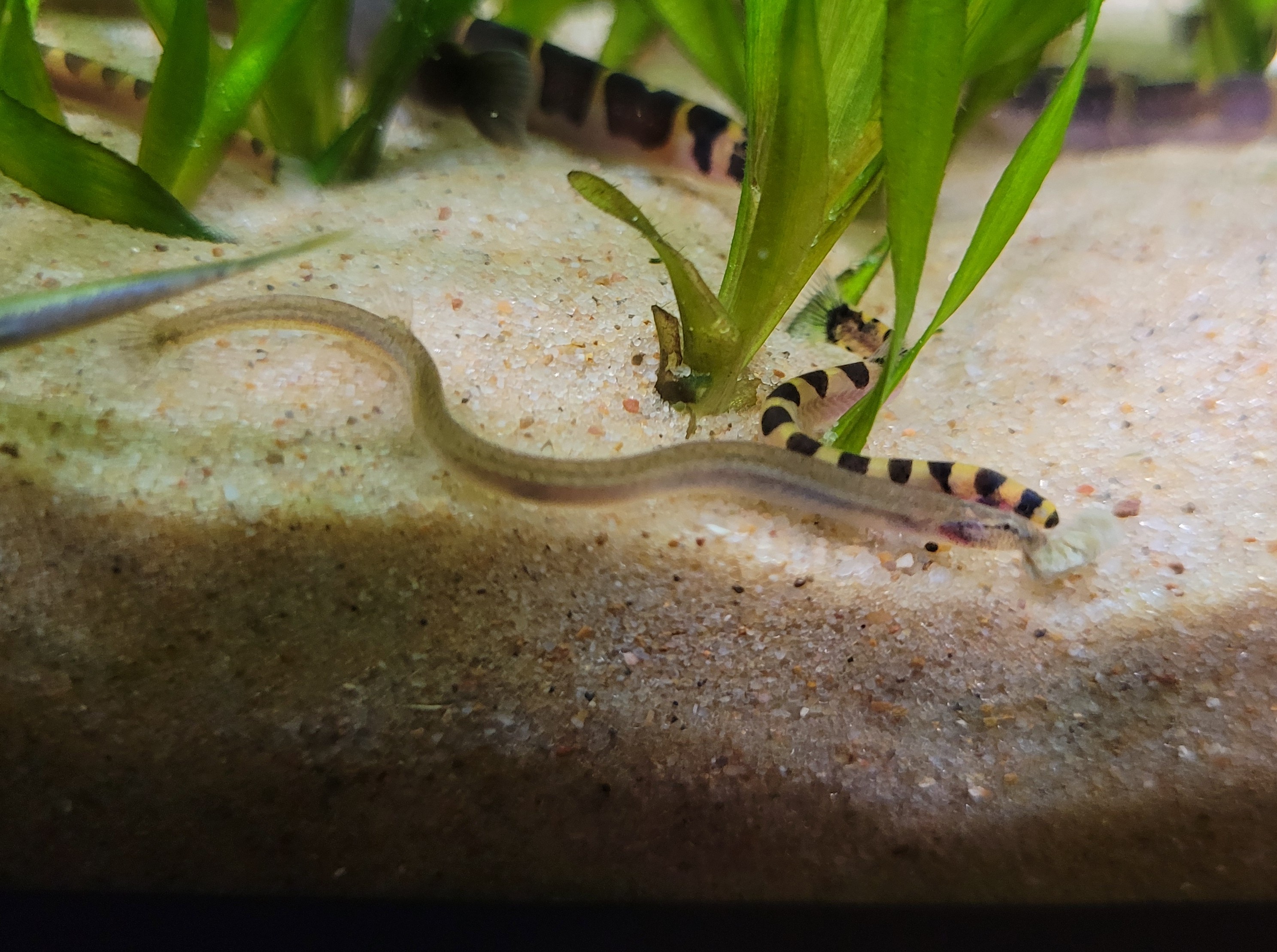
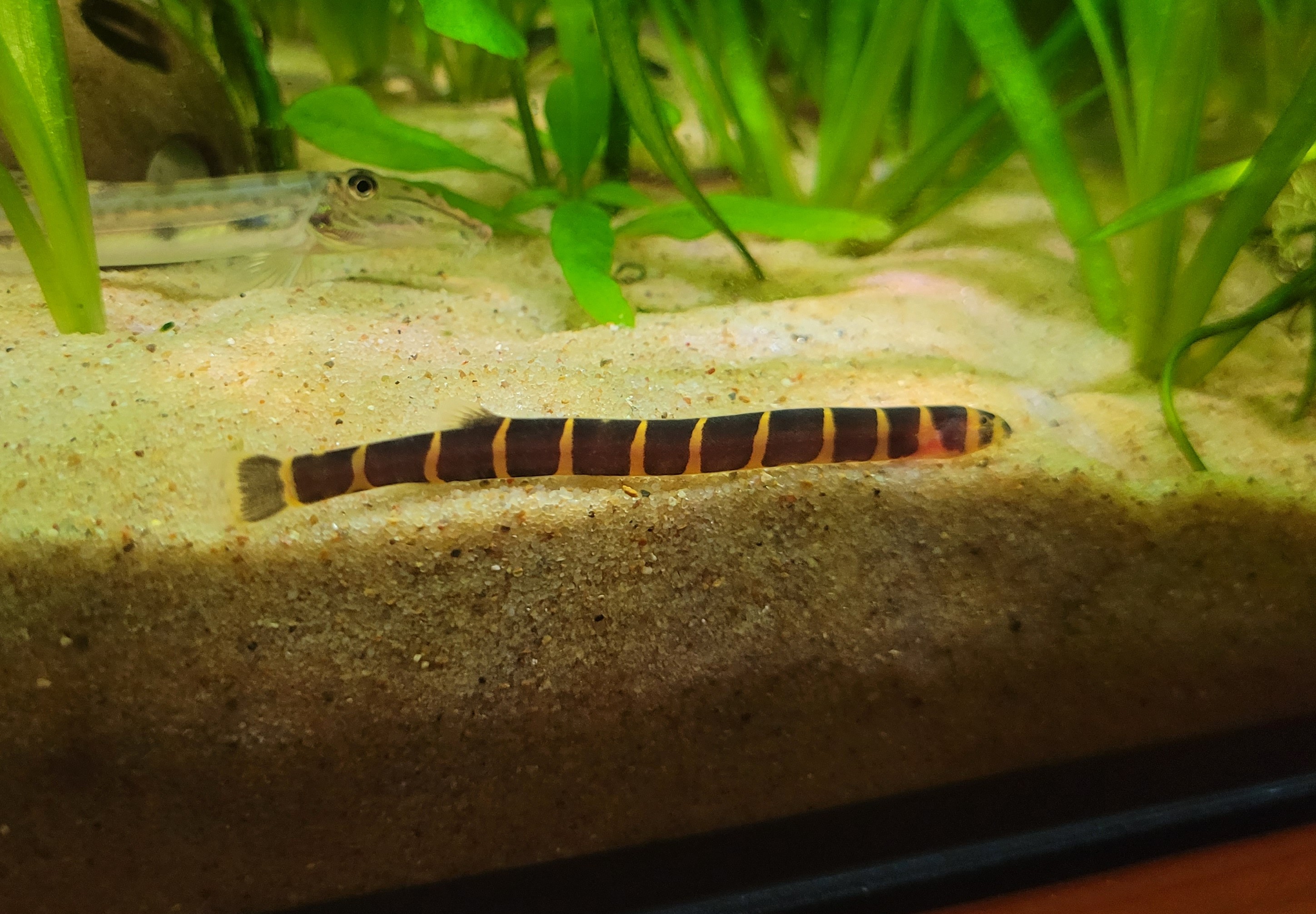
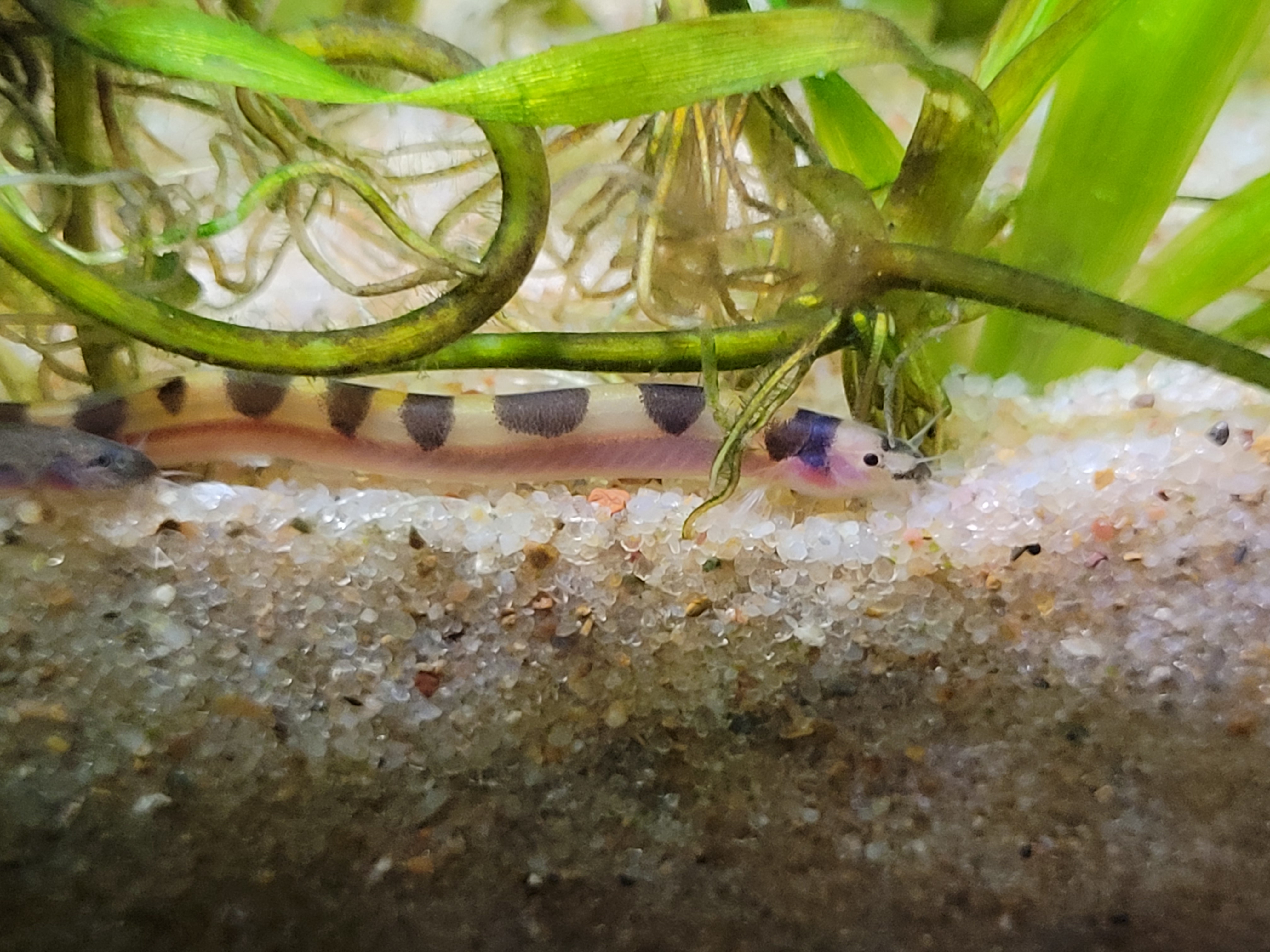
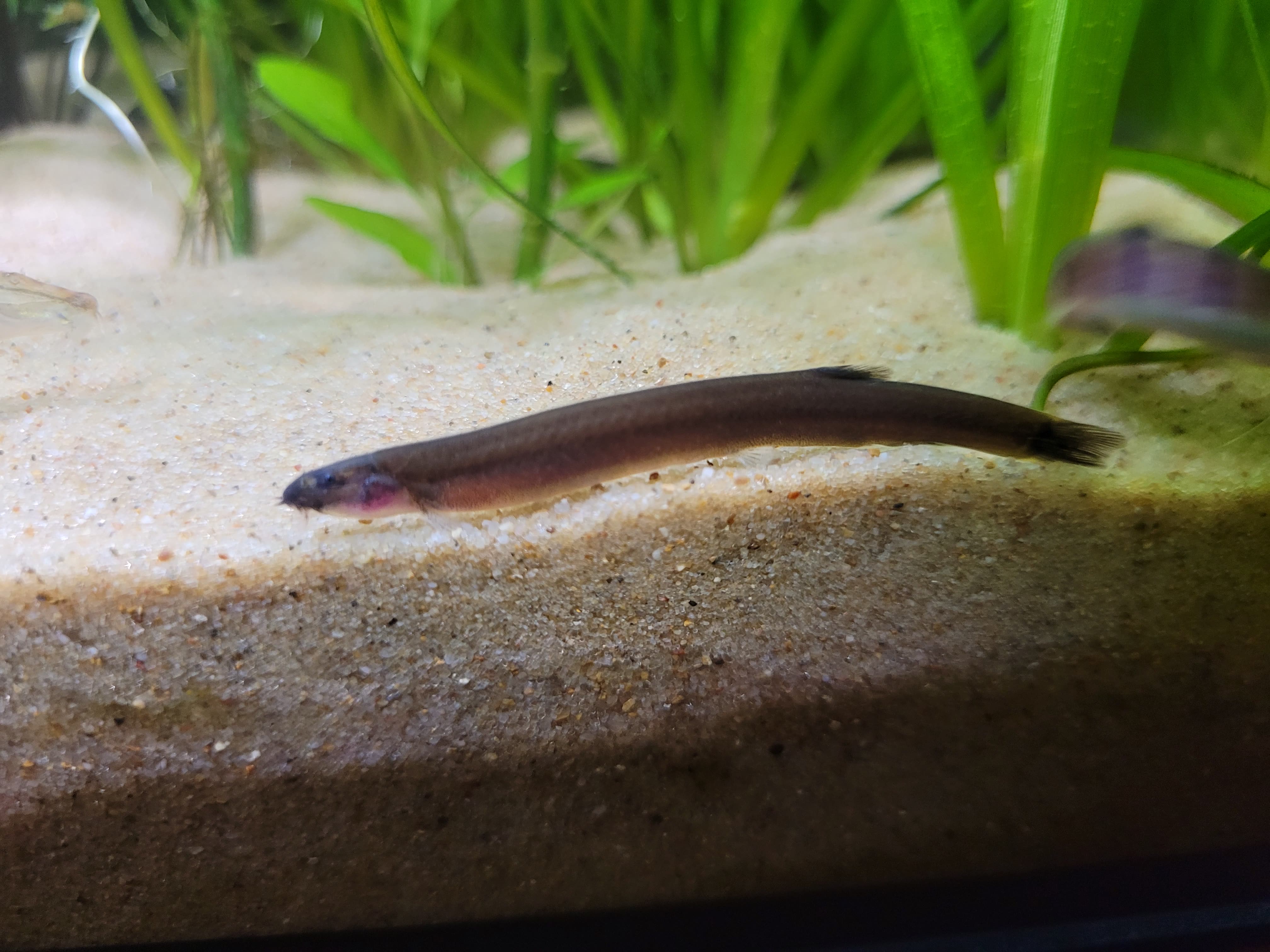
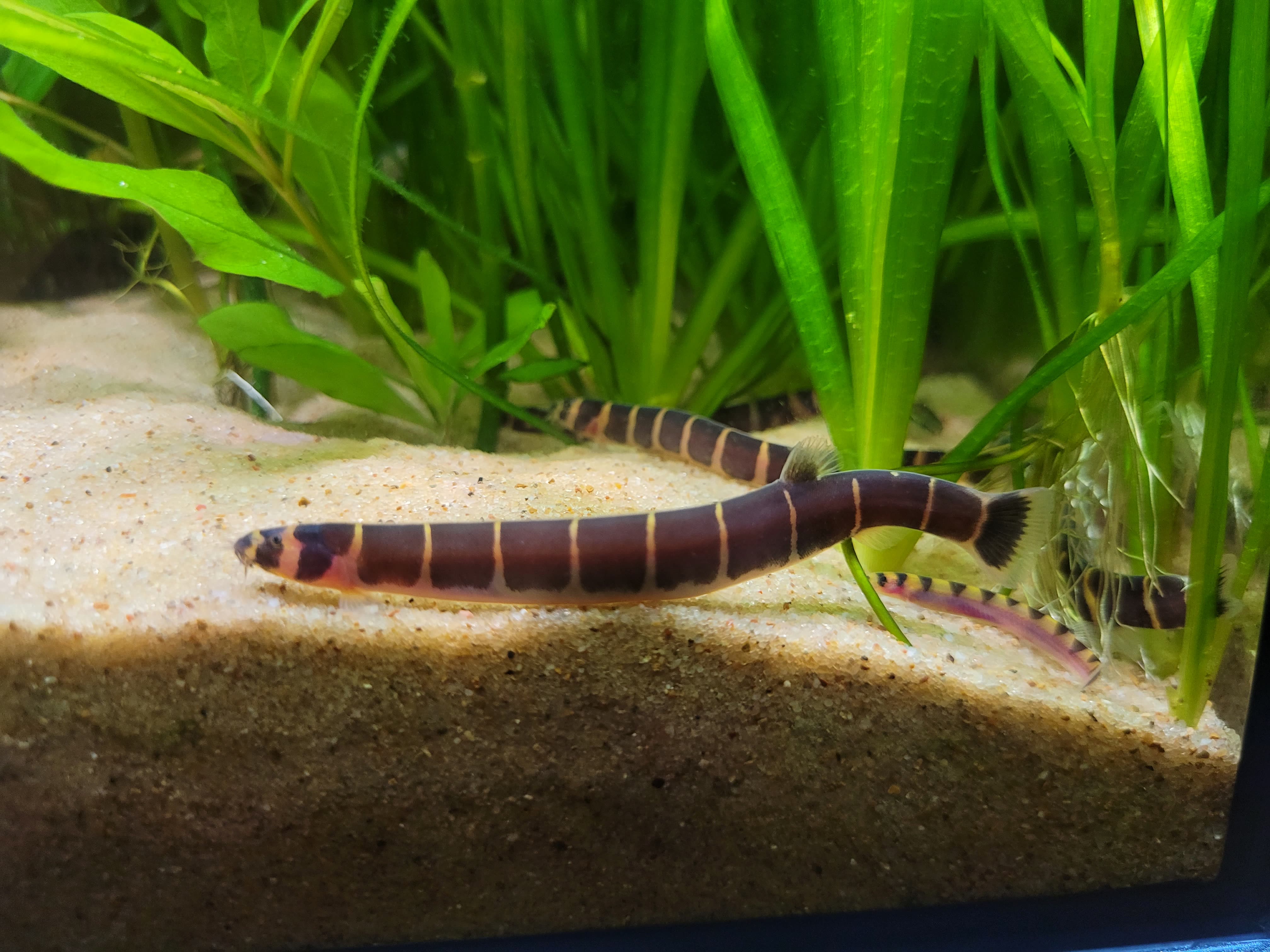
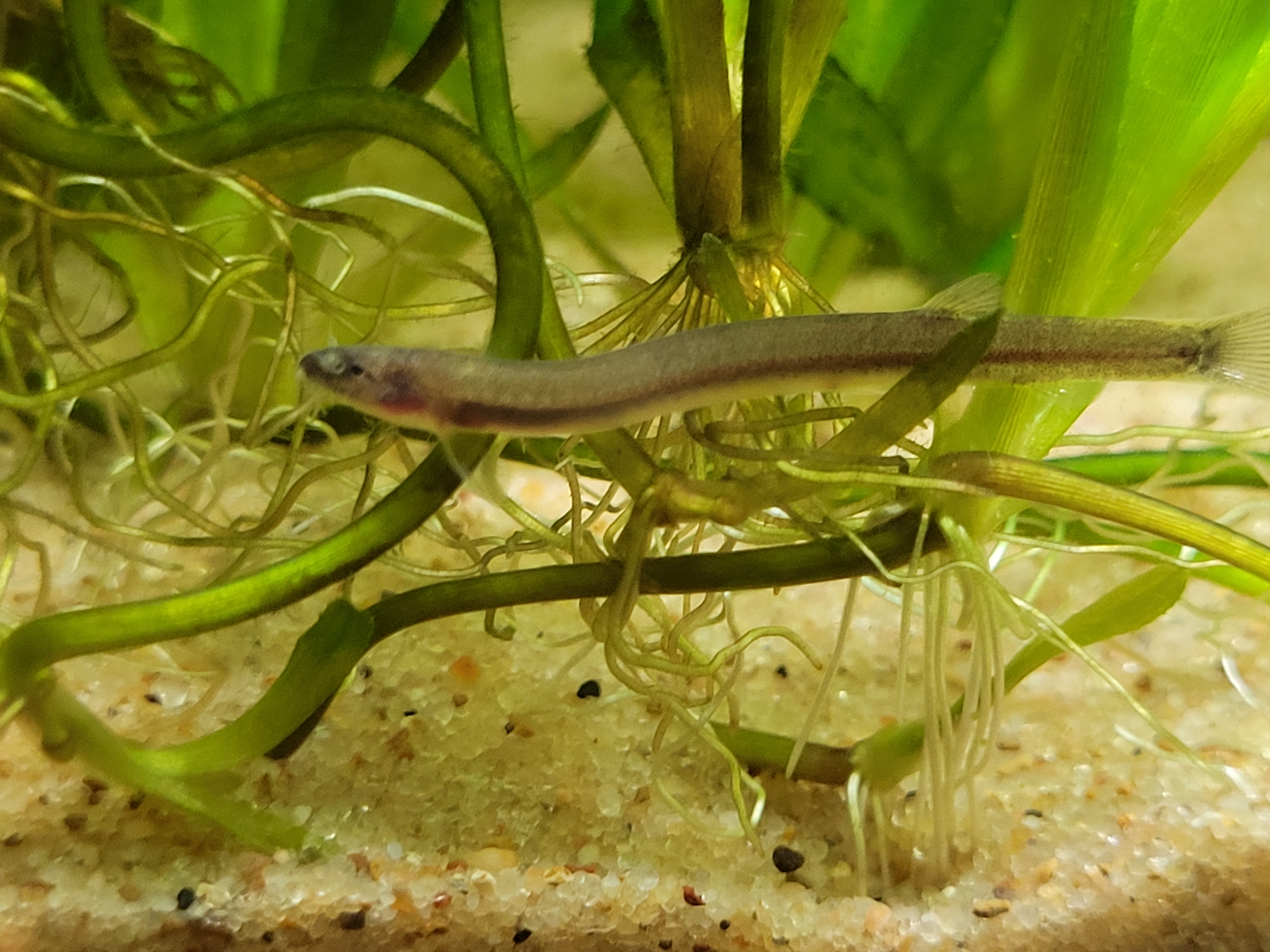
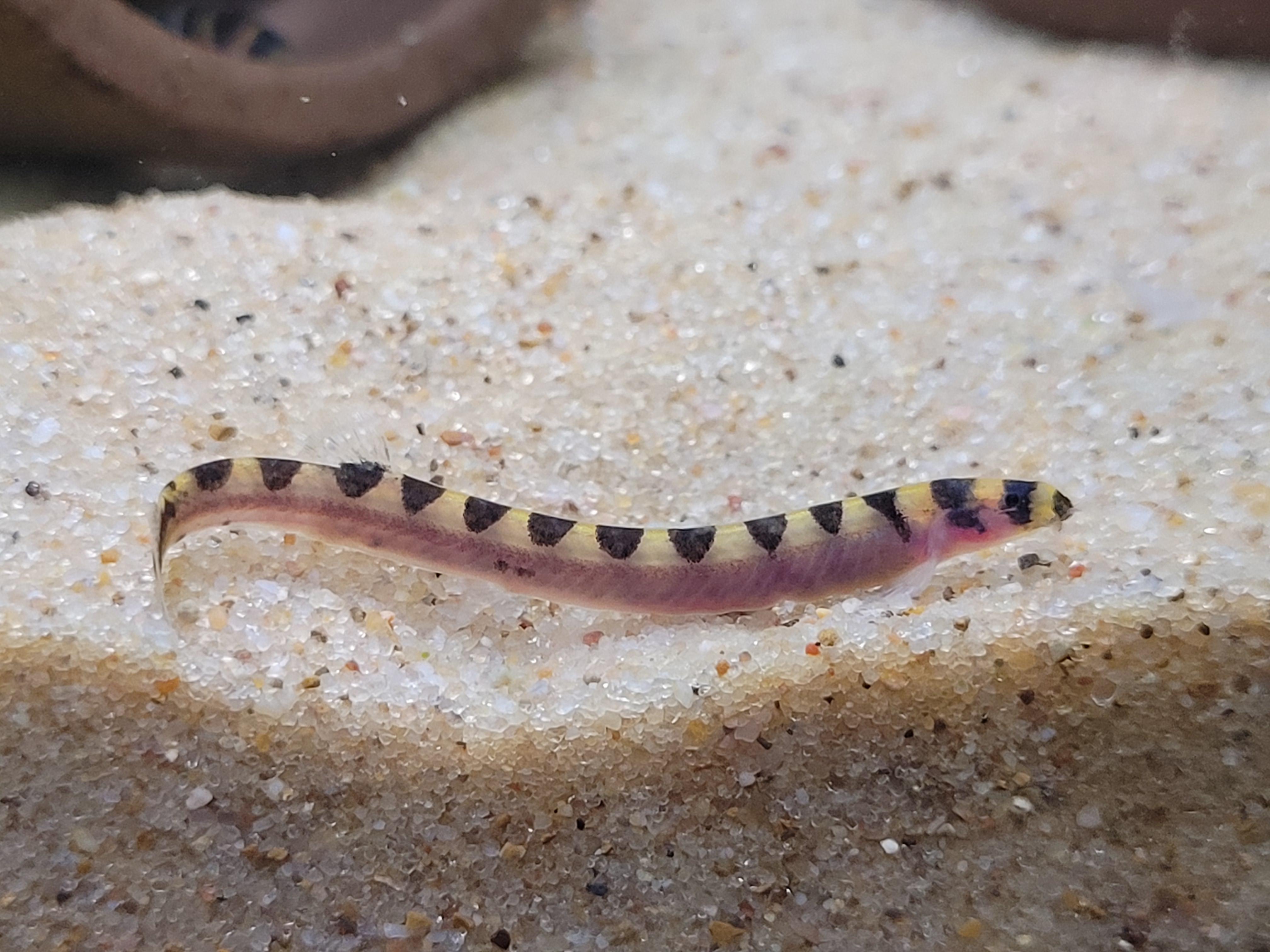
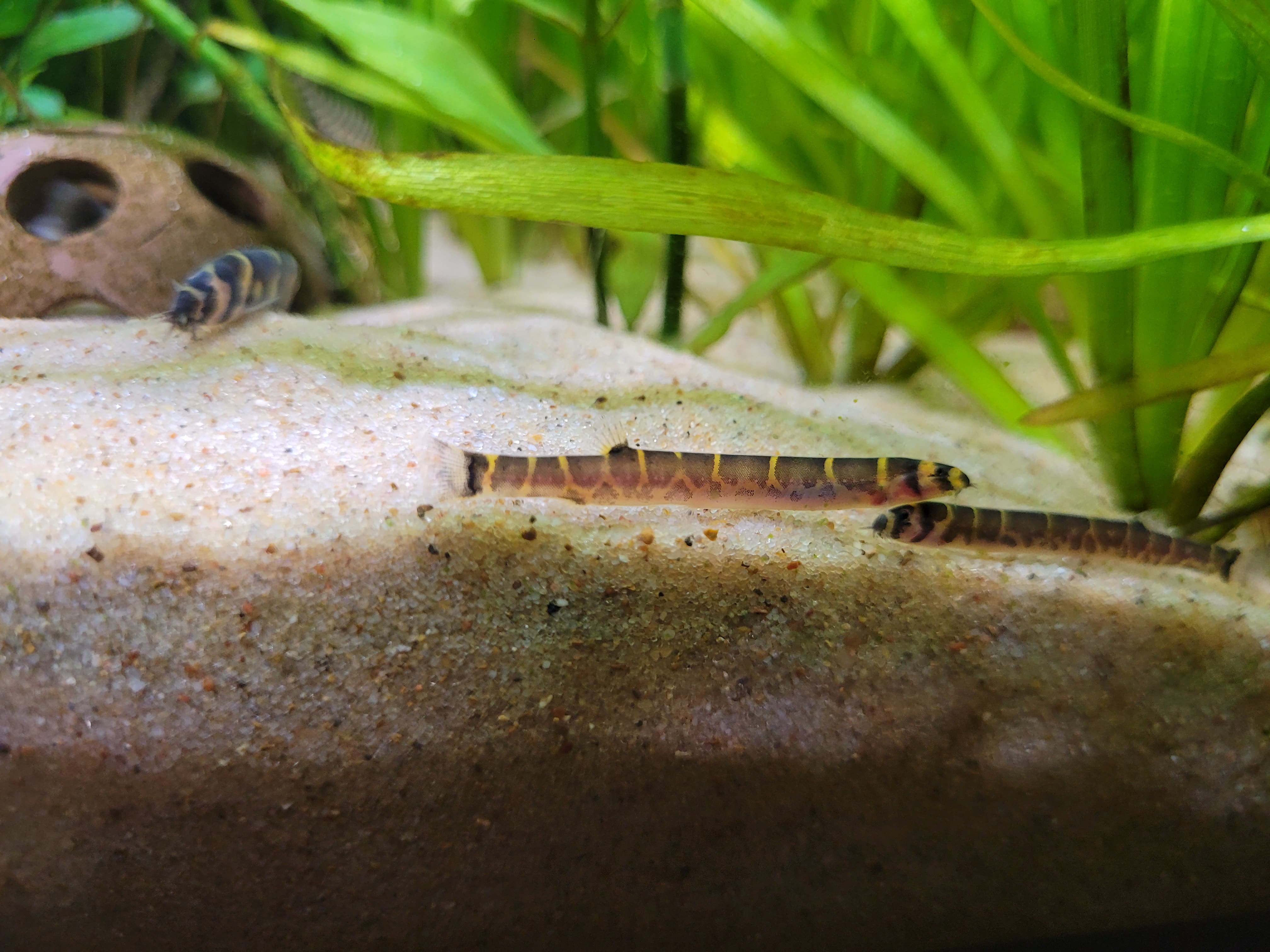
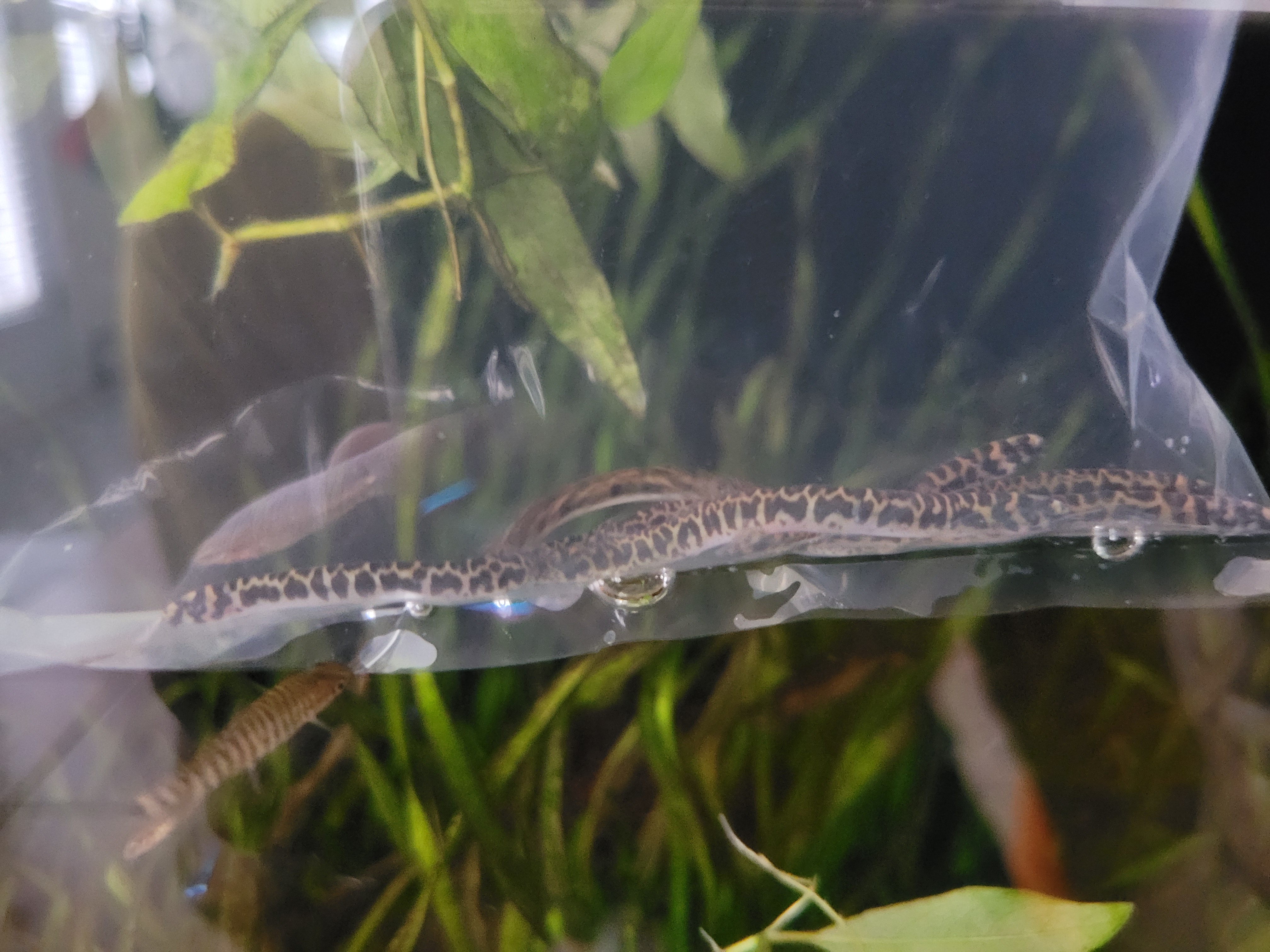
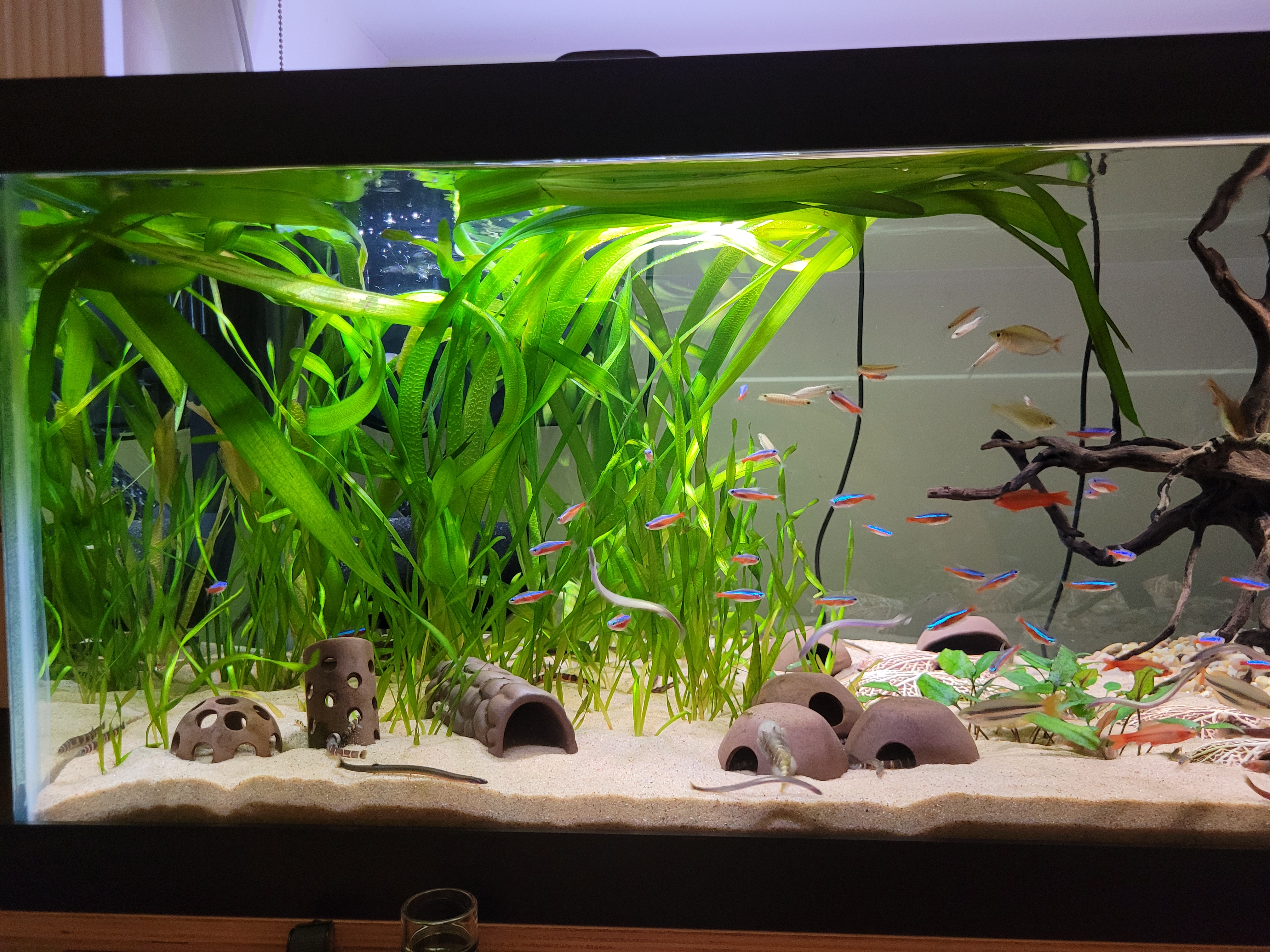
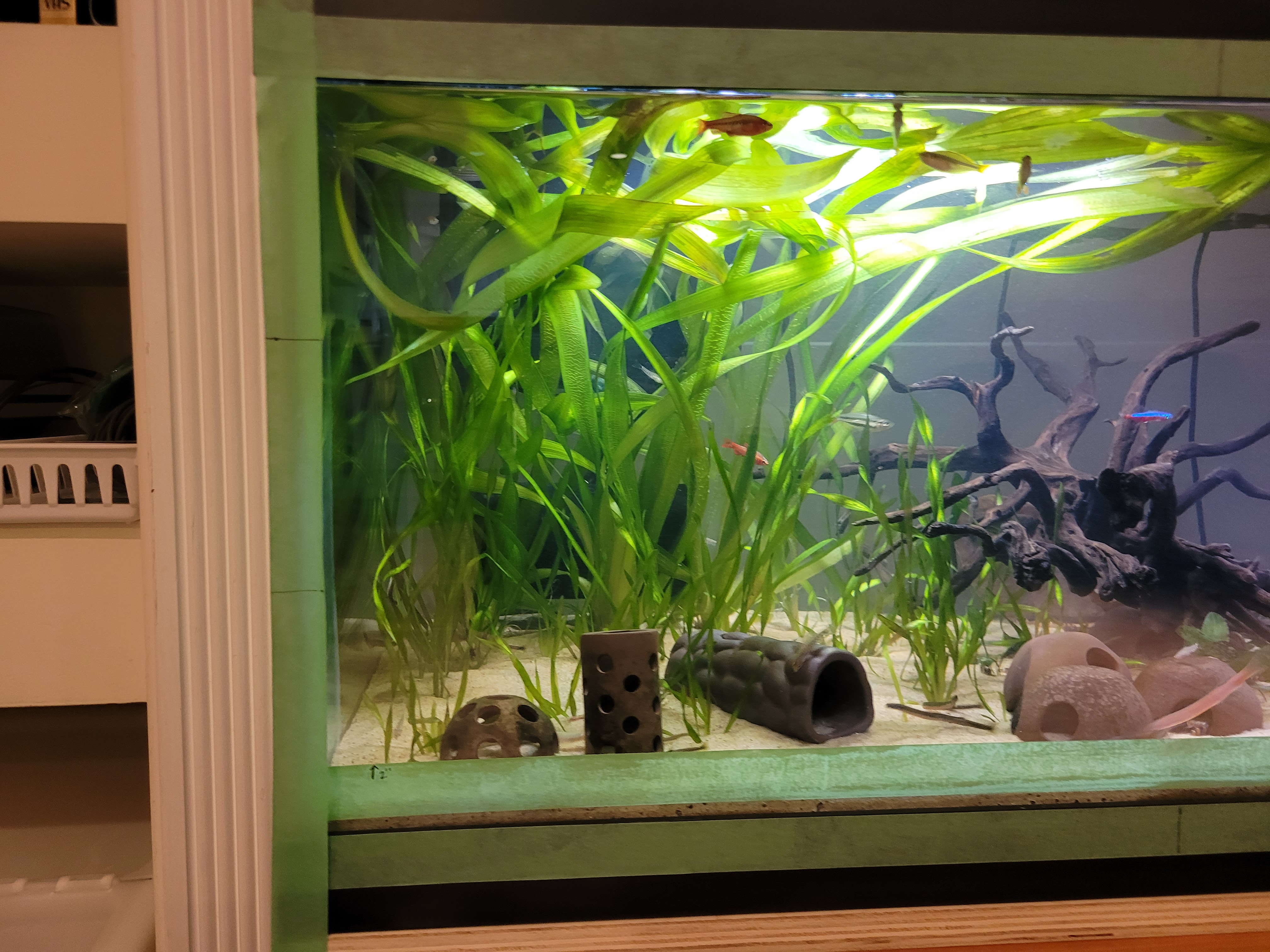
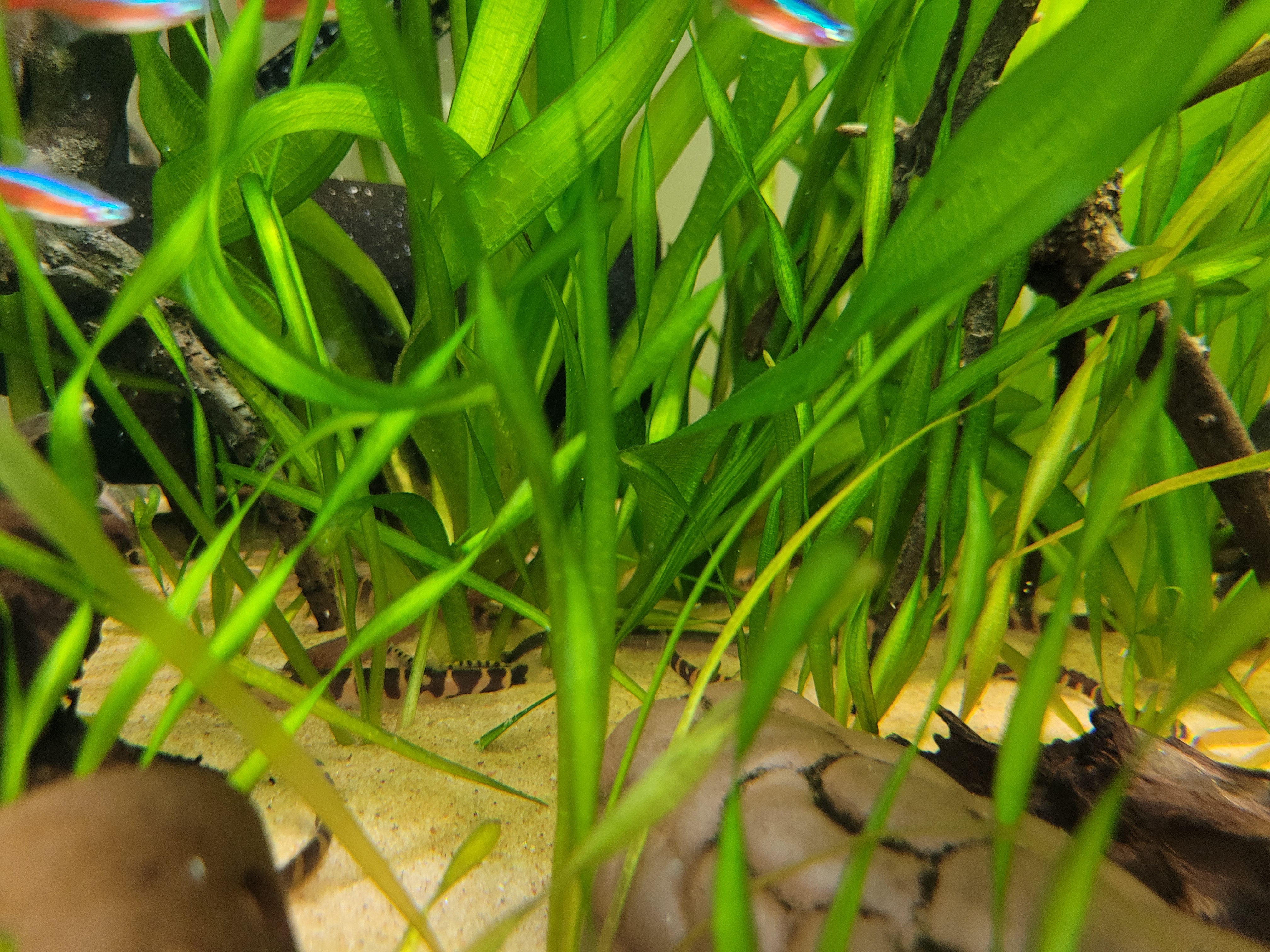
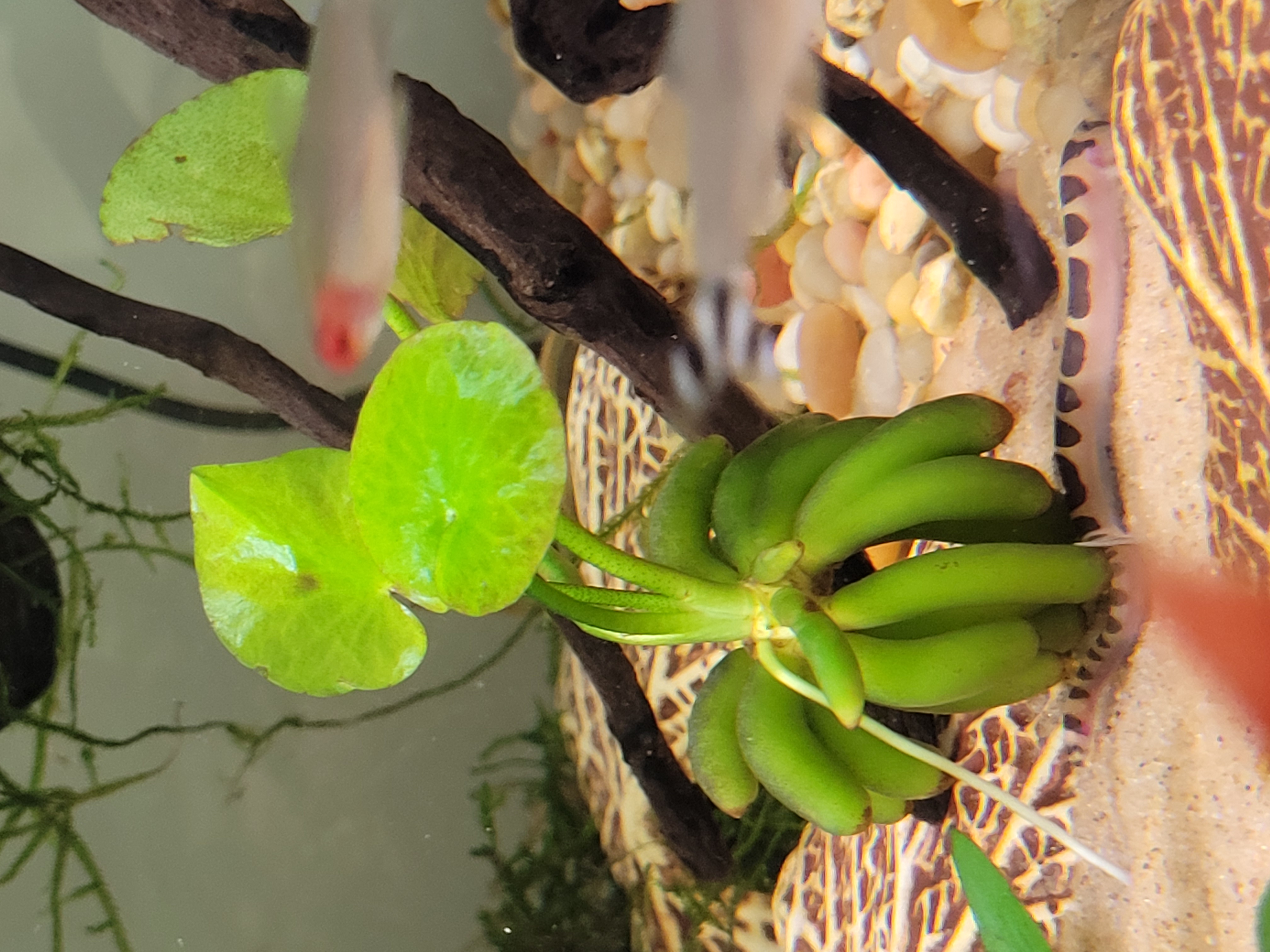
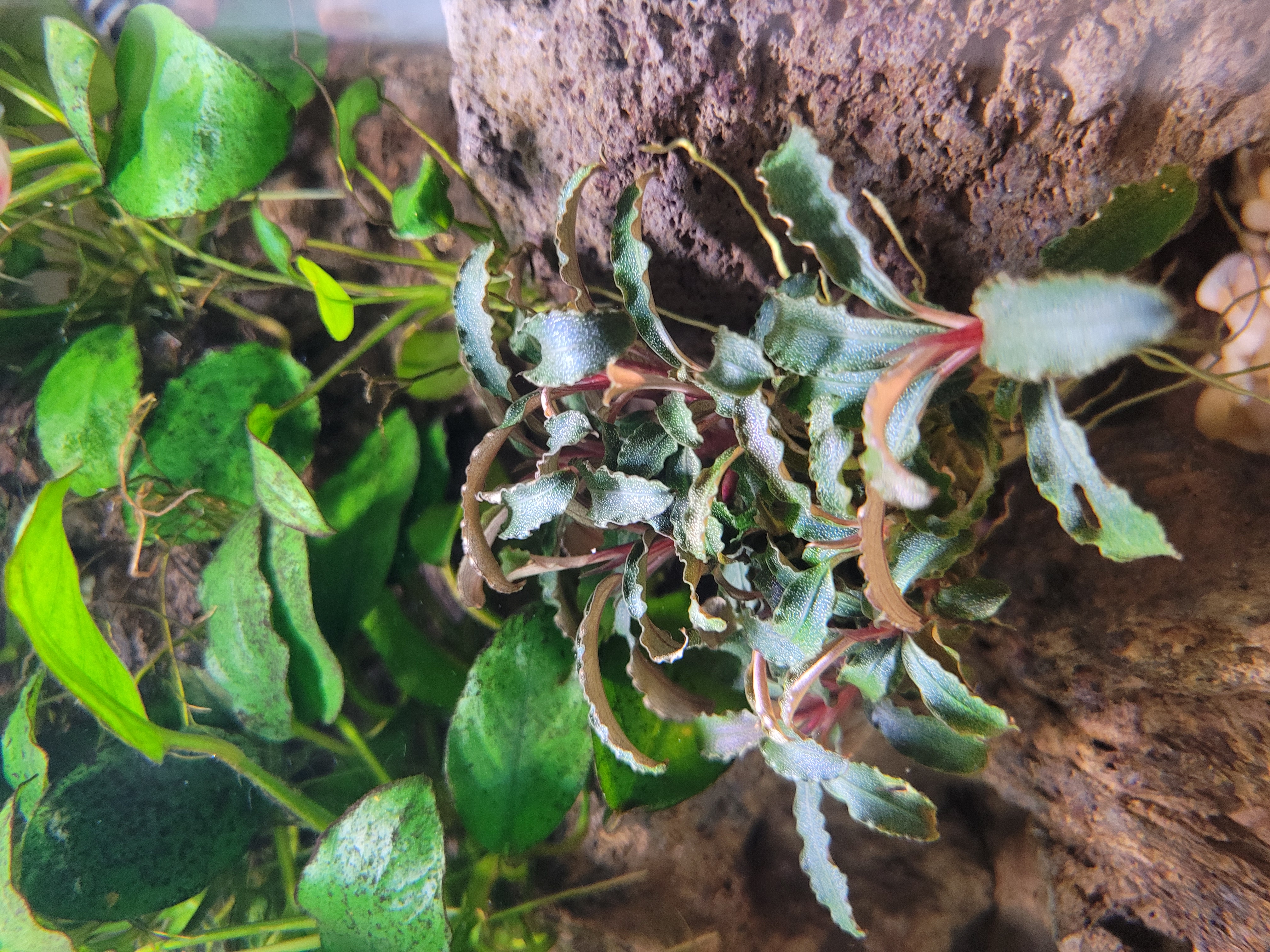
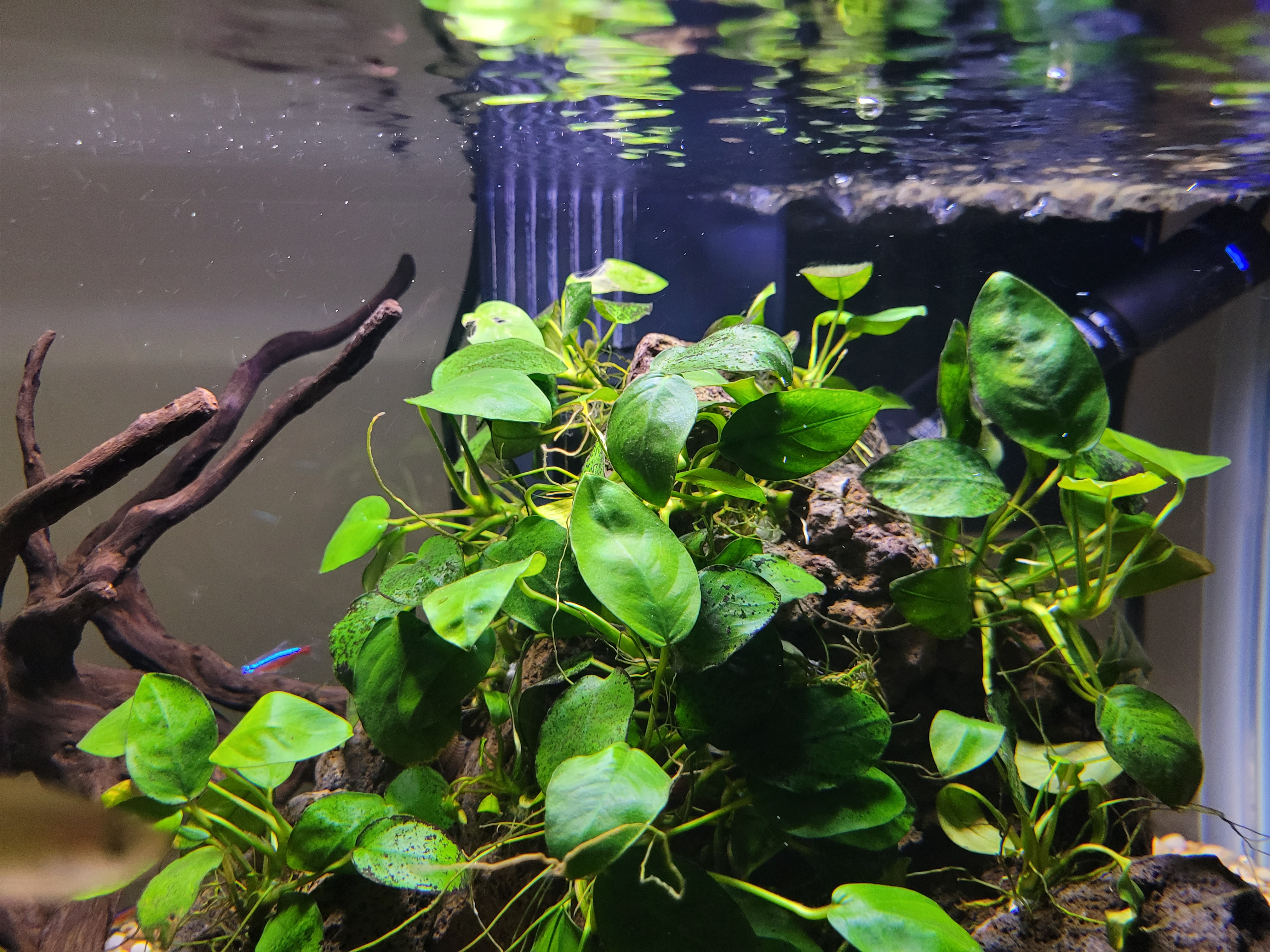
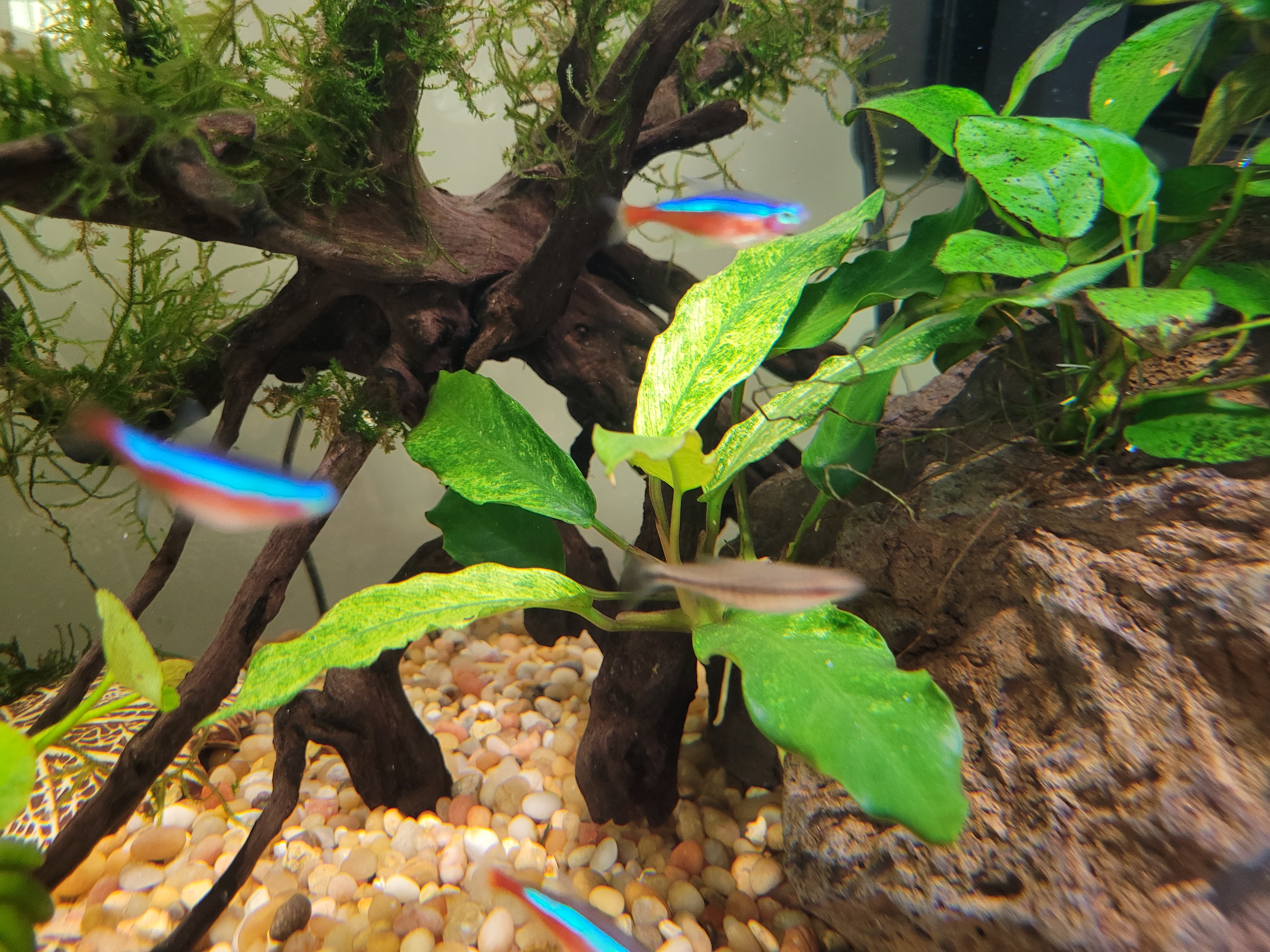
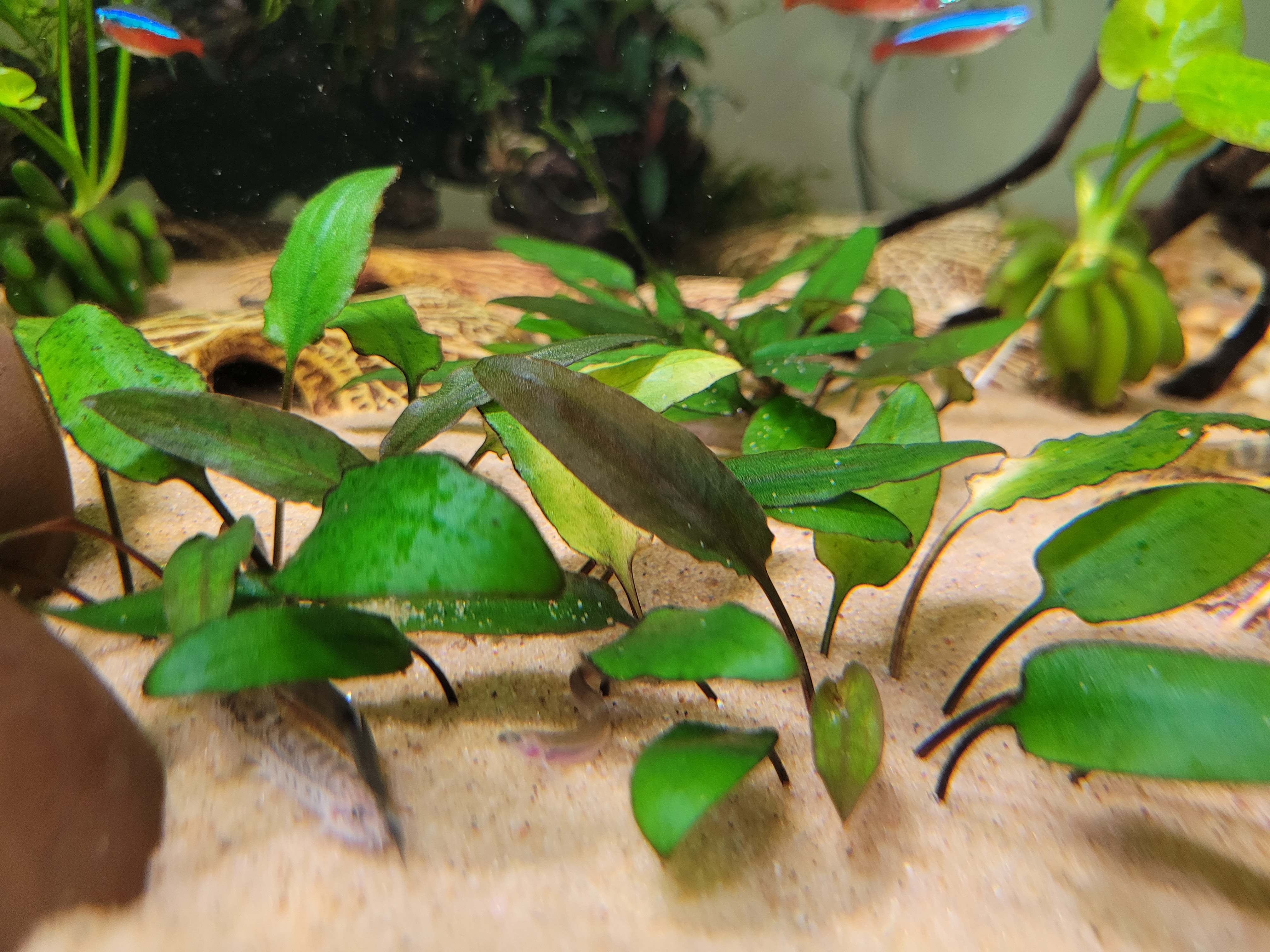
Explore with me the fascinating world of aquatic life through my Aquariums, featuring an extensive variety of mostly Kuhli Loaches and other cute and amazing species!
My obesession for aquariums began early, when my father would show me how to keep newts and red-bellied frogs at home. What started as a simple hobby has evolved into a comprehensive study of aquatic ecosystems, fish behavior, and the delicate balance required to maintain thriving underwater environments.
Through years of interest (obsession, mostly) and learning, I've developed a good feel for creating optimal conditions for various fish species, with a particular focus on the fascinating wiggly world of Kuhli Loaches and their incredible diversity within the Pangio genus.
A rare photo of me in my natural environment.
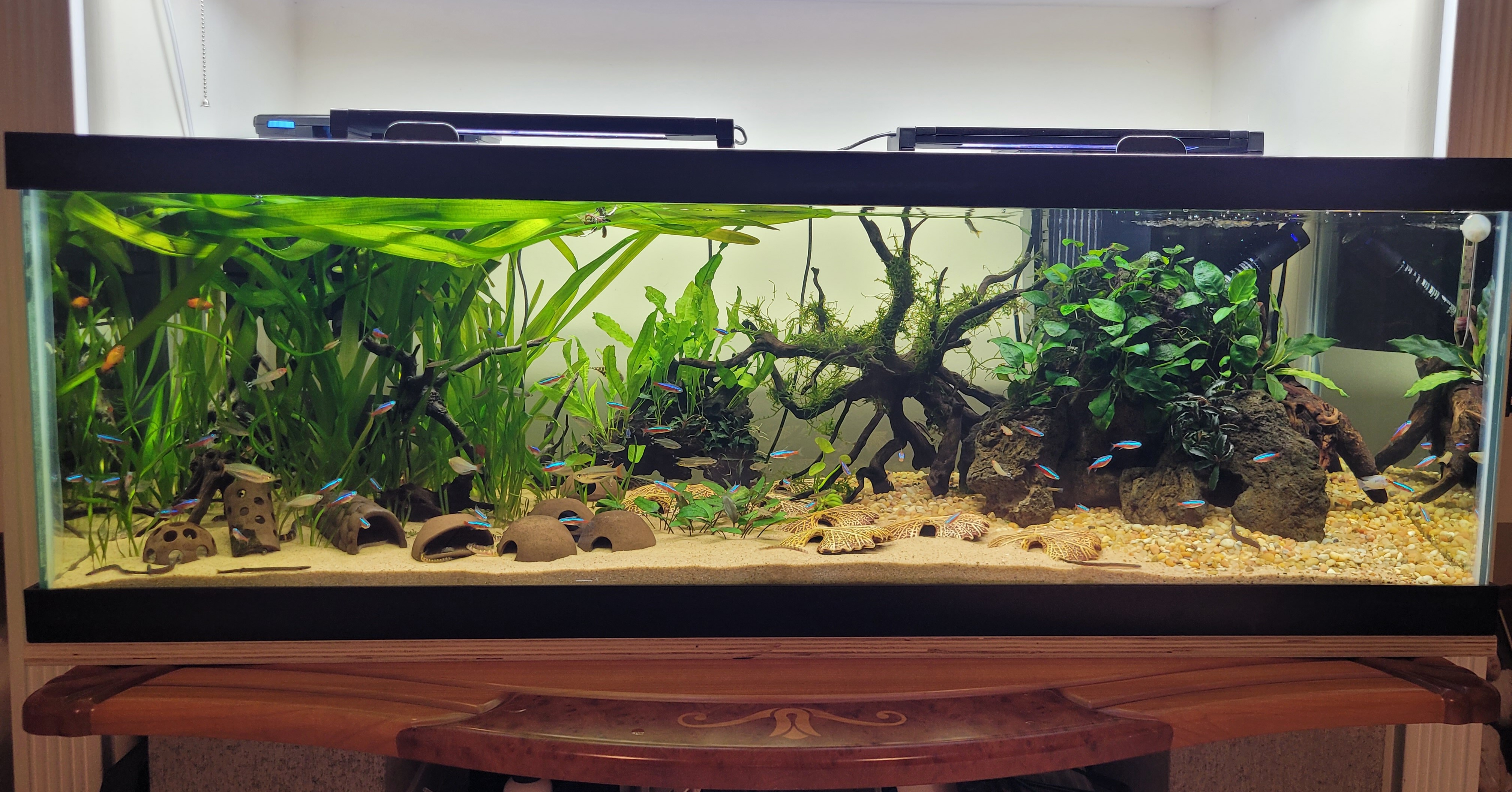
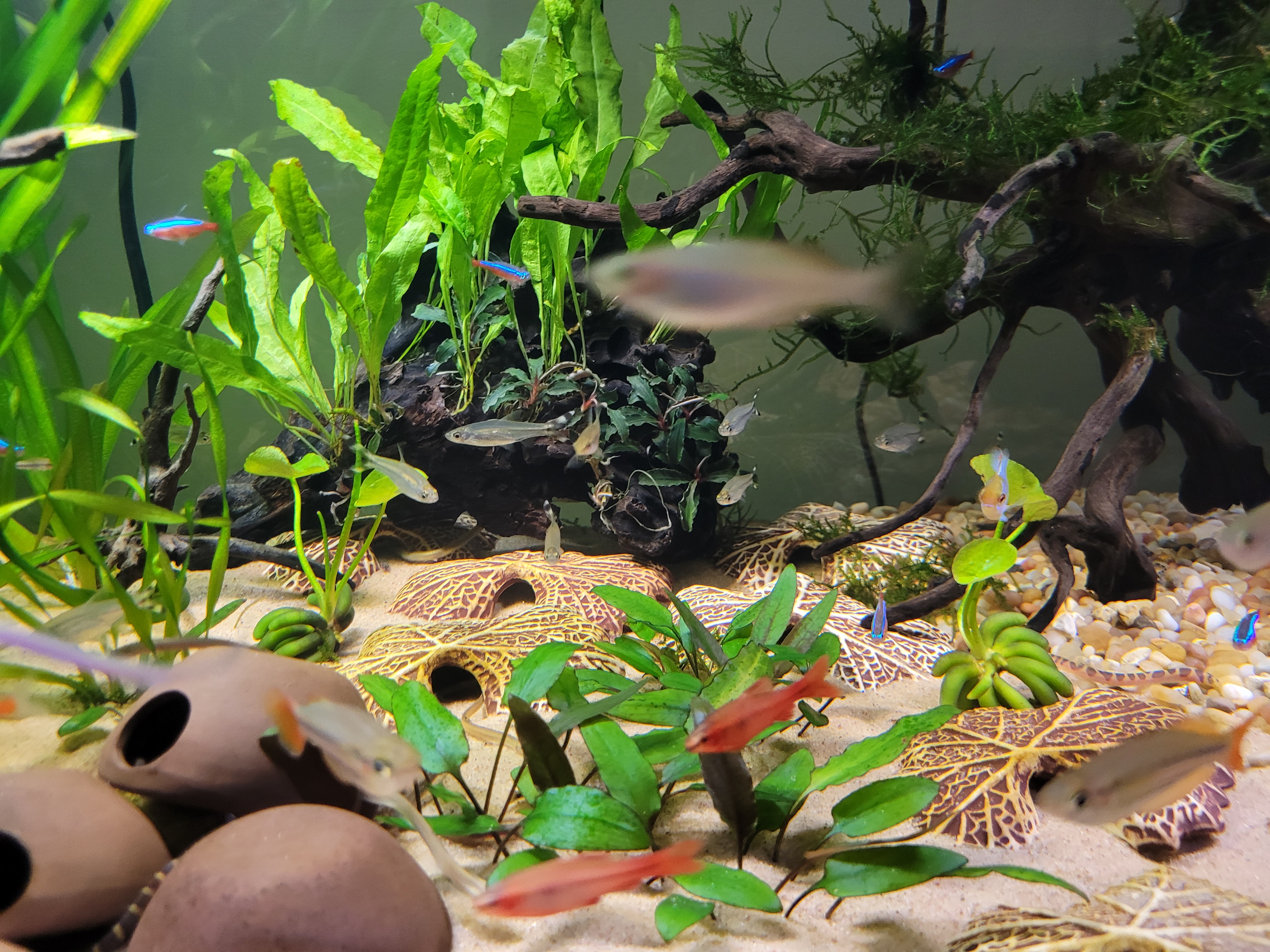
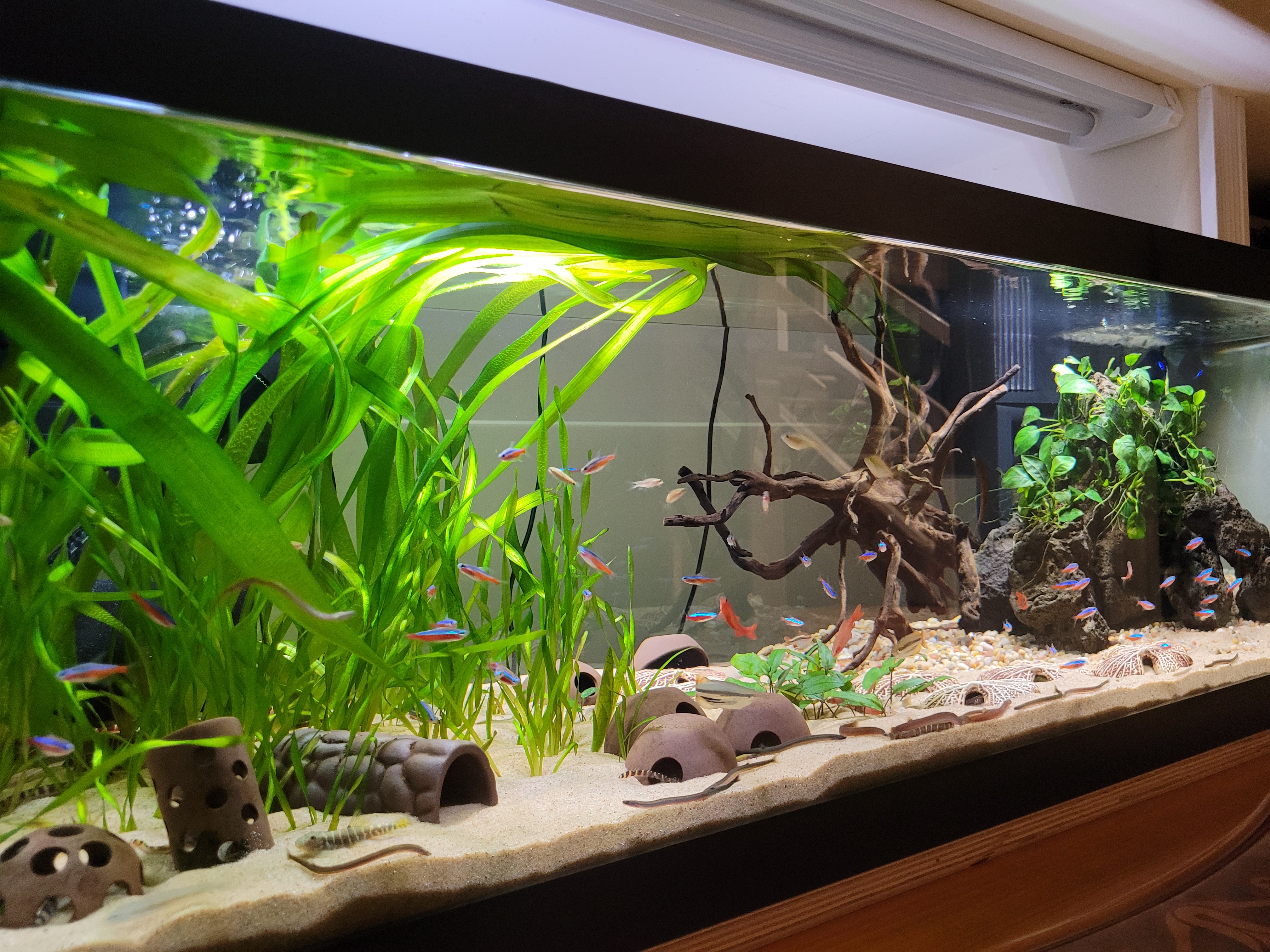
A glimpse into my underwater world - where passion meets nature!
My aquariums feature carefully selected species that demonstrate both beauty and natural evolutionary principles in action, from the efficient swimming patterns of tetras to the specialized adaptations of loaches.
I made this site because I want to share my passion for fish, and right now, I have a great big obsession with Kuhli Loaches. I've been collecting and observing the different species of Kuhli Loaches for a few years now, and I've learned a lot about them. They are wonderful creatures, and I'm proud to have them in my aquarium, and wish to show their beautiful and diverse behaviour to those interested.
All of the photos and videos are my own, and feature fish from my own aquariums. Feel free to use these photos and videos for your own content, but please give credit to me and my website.
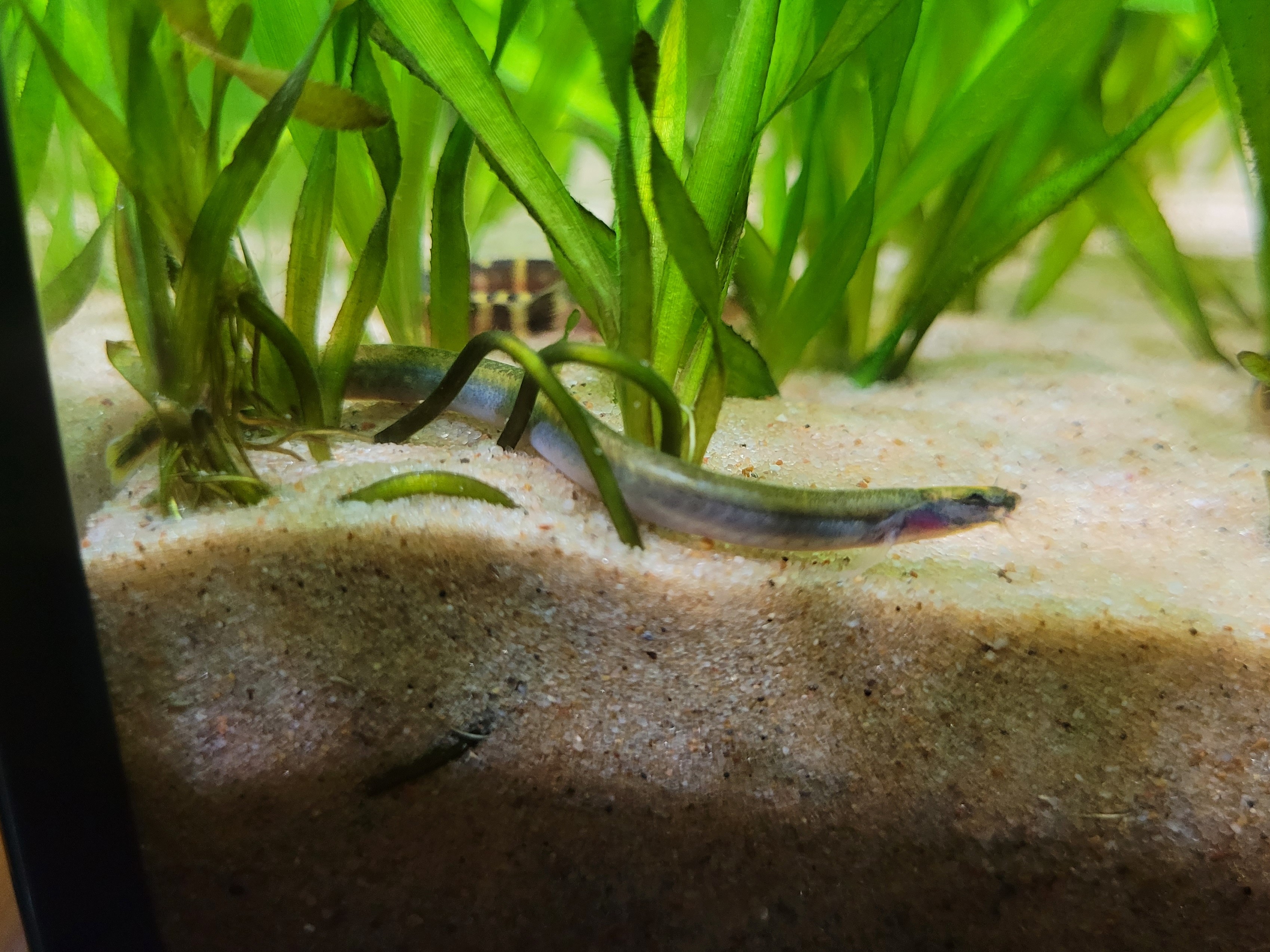
The fascinating world of Kuhli Loaches showcases incredible biodiversity within a single genus. These eel-like bottom dwellers demonstrate nature's evolutionary design at its finest, with each species adapted to specific ecological niches. Their burrowing behavior and nocturnal nature make them the perfect engineers of the aquarium substrate.
Pangio doriae
Distinguished by its unique iridescent coloring, slightly longer length, and cylindrical body cross-section. This species demonstrates excellent substrate burrowing capabilities. My personal favorite Kuhli Loach.
Pangio anguillaris
The most eel-like of the group with an elongated body. Often confused with Pangio doriae, but lacks nasal barbels, and more mottled in coloration. The body cross-section of a mature Pangio anguillaris is much smaller than either Pangio doriae or Pangio kuhlii.
Pangio kuhlii
The classic Kuhli Loach with distinctive orange and black coloration. The most commonly kept variety, known for its social behavior. Displays the most variance in possible colorations within the species of all Kuhli Loaches.
Pangio malayana
Smaller and more delicate than other varieties. Has sparsely distributed circular (from above) spots, and lacks nasal barbels. Sometimes, but not often, this species has no dark spot/band over its eye, unlike other banded Pangio species.
Pangio oblonga
The most hardy and robust of the commonly available Kuhli Loaches. Has the craziest zoomies out of all Kuhli Loaches. Whether it be a feeding, a water change, or any other activity in the tank, these stealthy squishies are bound to get excited.
Pangio myersi
A rare and distinctive variety with unique patternin, with very strong contrast between adjacent colored bands. Has the largest maximum size and mass of all the Kuhli Loaches. Often described as "Giant Kuhli Loach".
Unidentified Pangio Species
A mysterious and unidentified Pangio species, showcasing the ongoing discovery and classification challenges in ichthyology. Very small (even amongst other Dwarf Kuhli Loaches) and light brown in color. Has maximum girth that approaches that of Pangio anguillaris, but remains far shorter in length.
Pangio cuneovirgata
Has unique and distinctive wedge-shaped stripes. Almost always labeled as "Dwarf Kuhli Loach", but is one of several types of dwarf kuhli loaches. Almost always has a dark band over the eye, like most other patterned Kuhli species. This species also often displays a dark purple coloration on the belly.
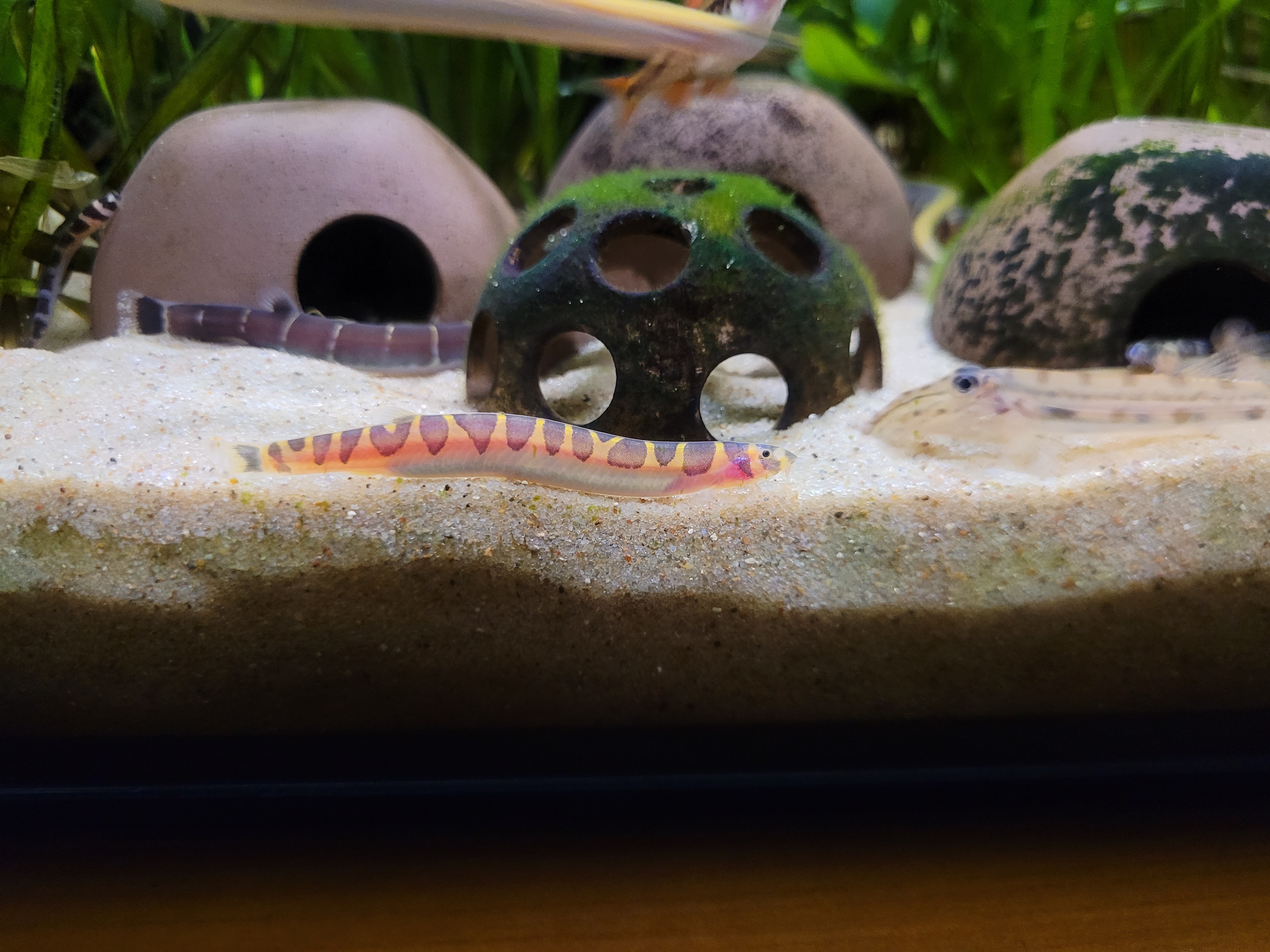
Pangio alternans
Distinguished by its alternating band pattern and unique coloration. There are several similar species that are often confused as all being Pangio alternans, but all are actually other unclassified species. I would personally consider this species a "medium-sized" Kuhli Loach, with a maximum size that is intermediate between Pangio cuneovirgata and Pangio kuhlii.
Fun & Games
Watch these adorable kuhli loaches play and explore their environment. Their curious nature and playful antics never fail to bring a smile!
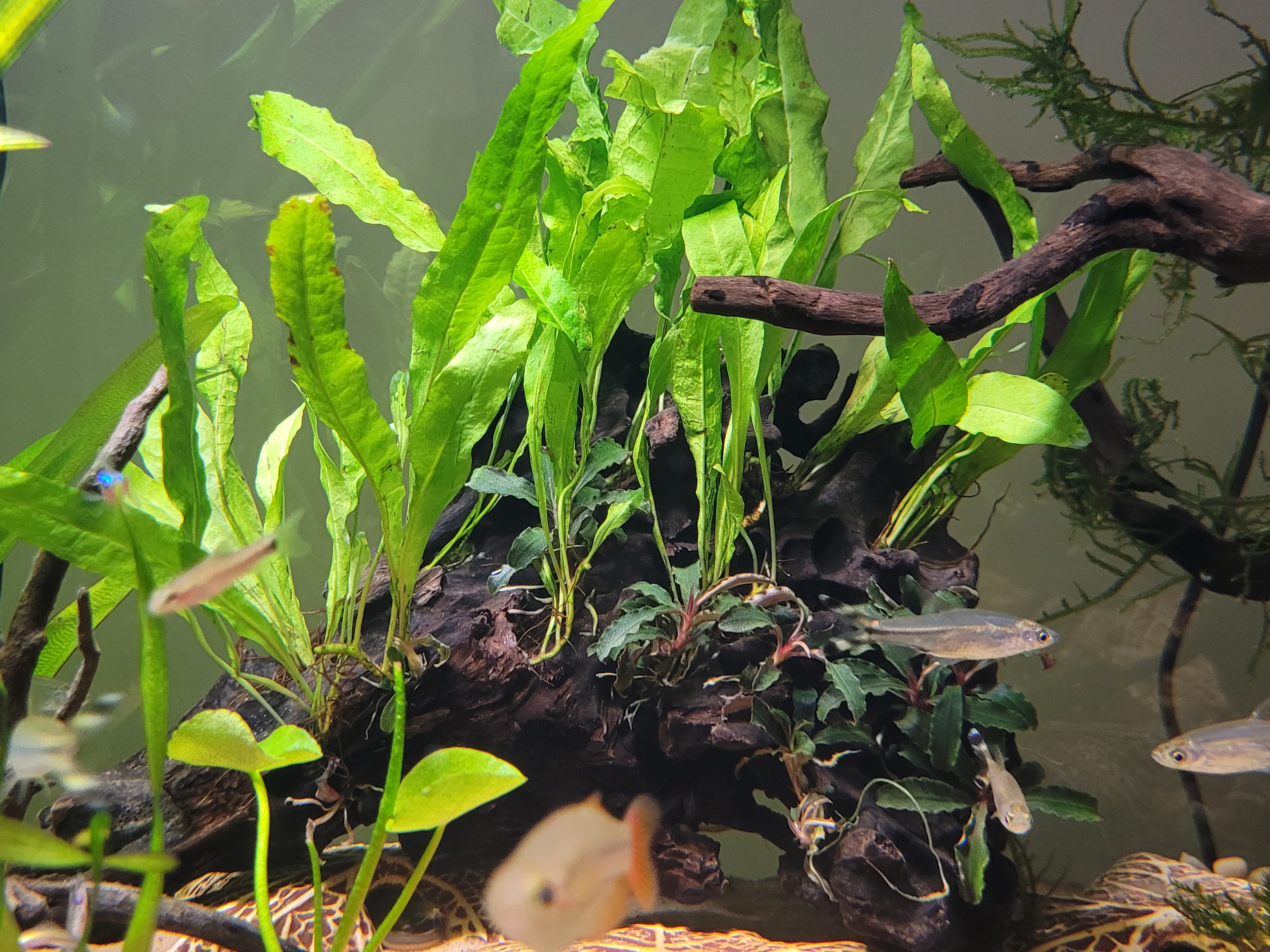
Dinner Time
The excitement when food hits the substrate! These kuhli loaches show their true colors during feeding time with their enthusiastic and spastic munching.
Stealth Mode
Watch as this kuhli loaches demonstrate incredible hiding ability! One moment they're there, the next they've completely disappeared into the substrate or possibly a different dimension!
Team Work
When kuhli loaches together decide that something is afoot, it's like watching a psychotically choreographed dance, their synchronized movements and group dynamics are truly explosive.
Digging Deep
Most kuhli loaches are natural burrowers! They can disappear completely into the substrate and reappear in the most unexpected places!
Alien Encounter!
Watch this kuhli loach as she is almost abducted by aliens!
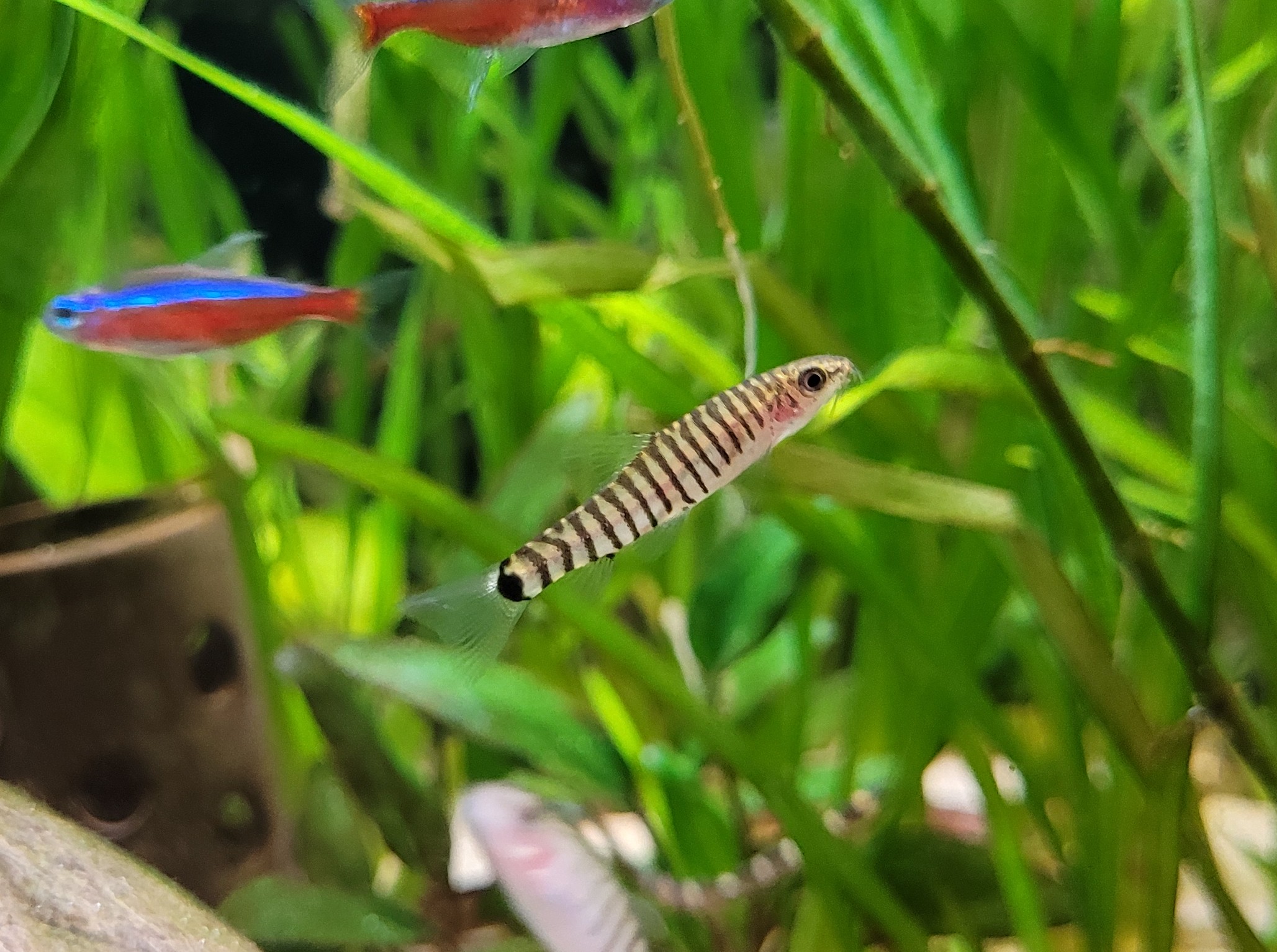
Yunnanilus cruciatus
Striking loaches with bold banding patterns and active personalities. These fish are endemic to Vietnam. These fish certainly like to shoal, and are often the first to find the food in the tank.
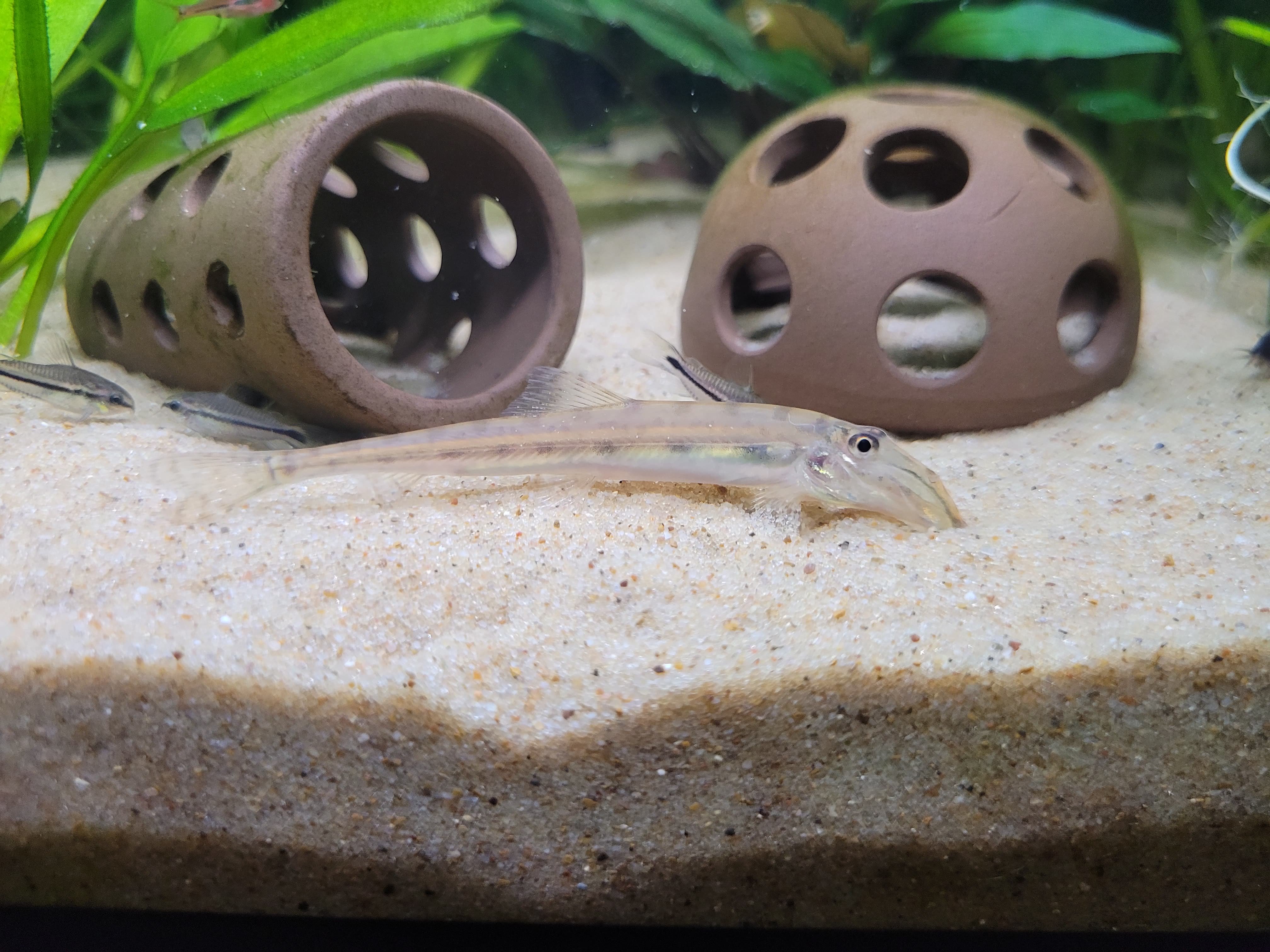
Acantopsis dialuzona
Named for their distinctive elongated snout, these loaches are masters of substrate sifting. Their specialized morphology demonstrates how form follows function in evolutionary adaptations. This species does not do well with other food agressive species, as it is a relatively slow eater.
Aborichthys elongatus
Fascinating loaches with distinctive red tail markings and elongated body shape. Their unique morphology and behavior patterns demonstrate the incredible diversity within the loach family and their specialized adaptations. This is a species typically found in cooler, well oxygenated waters.
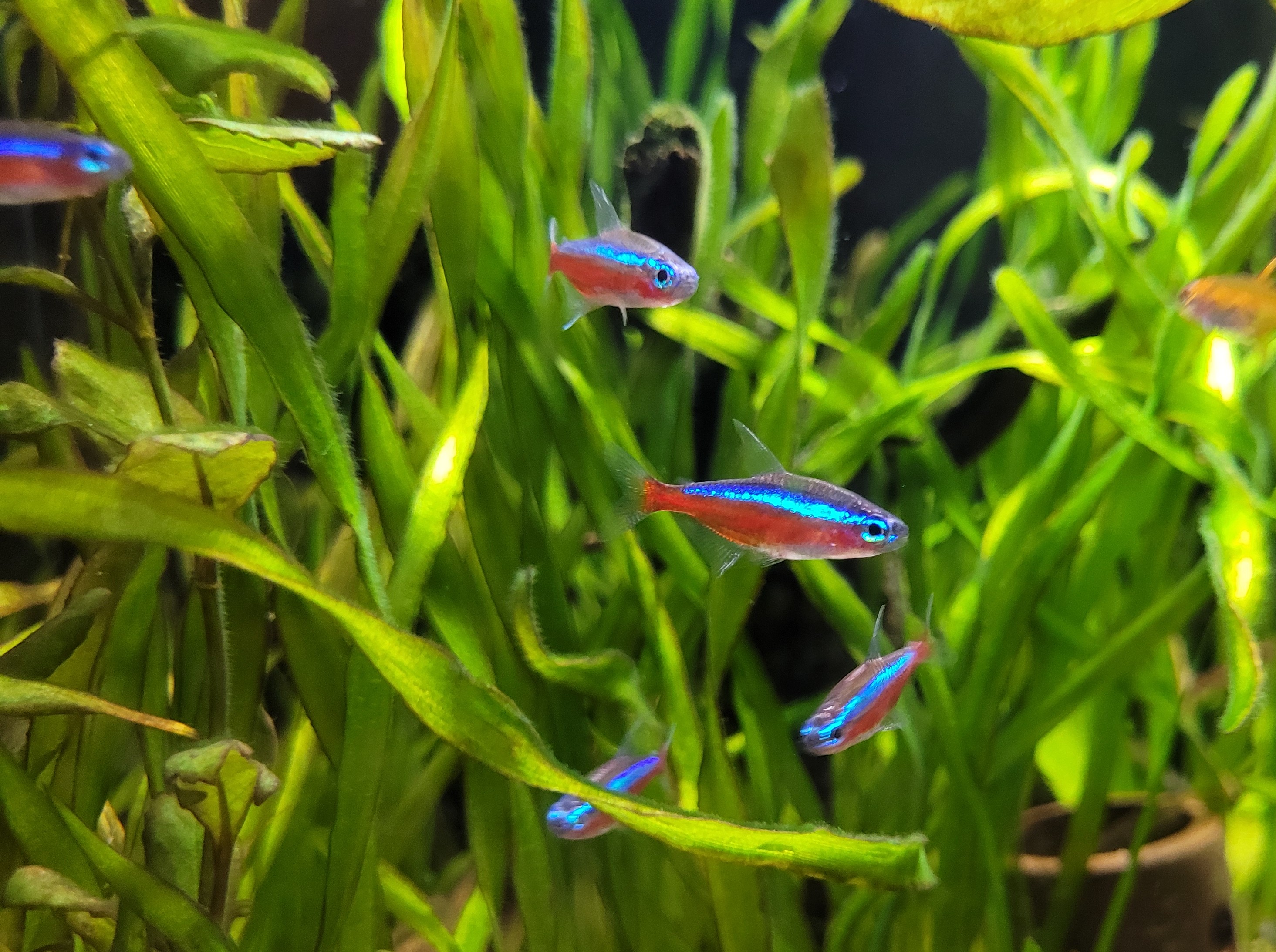
Paracheirodon axelrodi
These stunning schooling fish demonstrate perfect hydrodynamic design. Their synchronized swimming patterns and brilliant red/blue coloration showcase nature's pigmentation at its finest. Their schooling behavior is a masterclass in coordinated movement and efficiency.
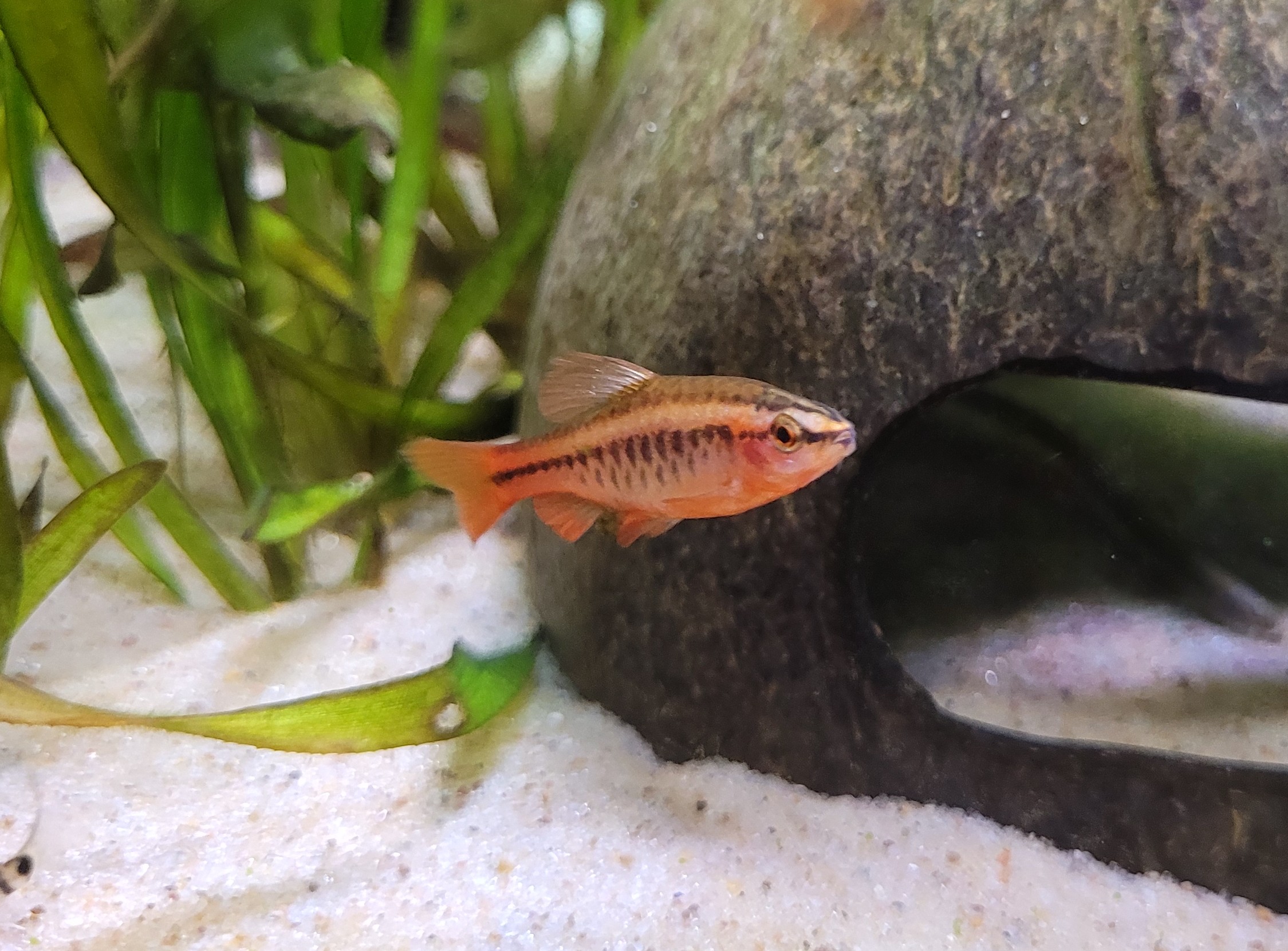
Puntius titteya
Hardy and colorful barbs with distinctive cherry-red coloration. Their robust nature and adaptability make them excellent examples of evolutionary success in varied environments.
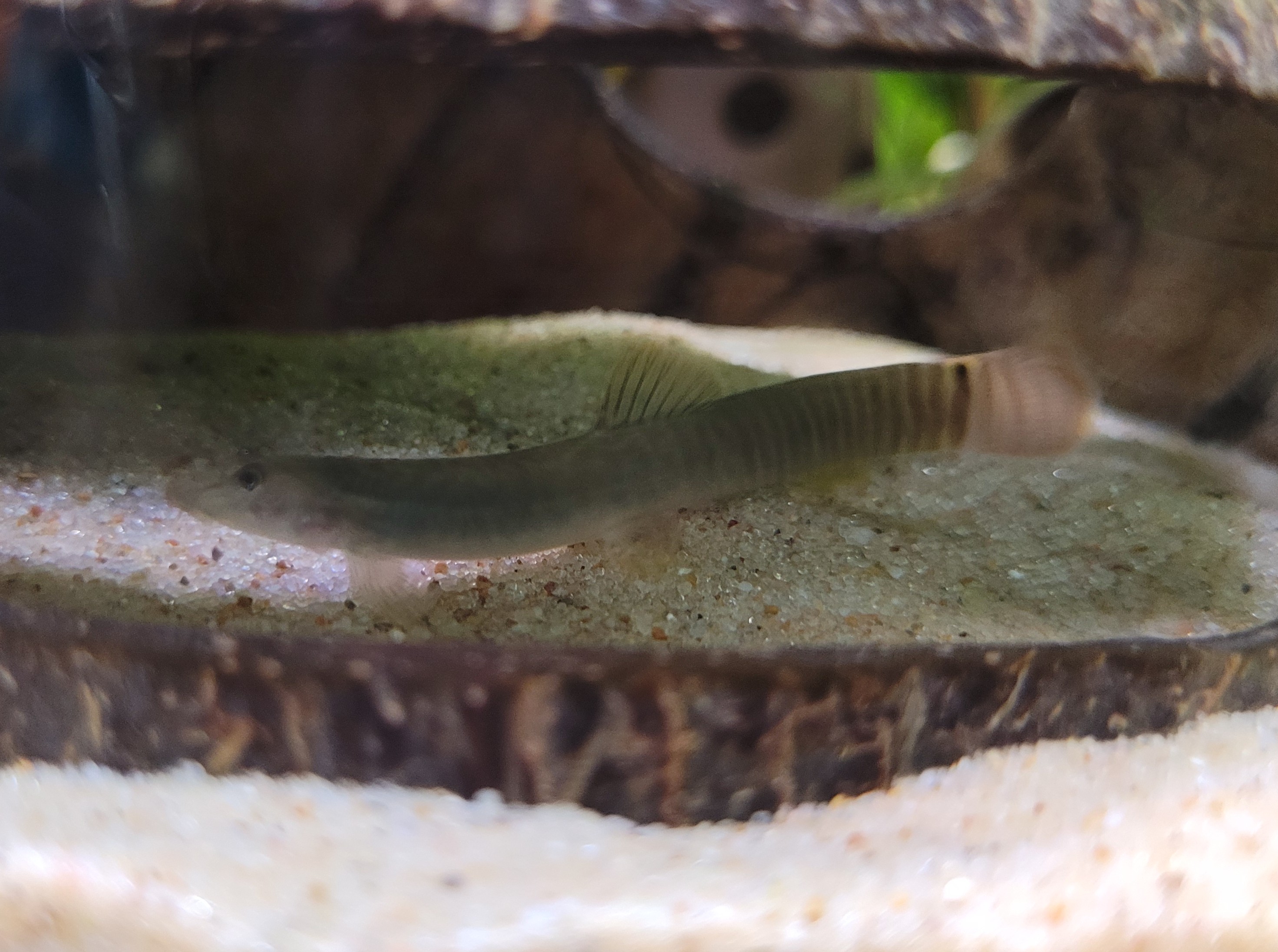
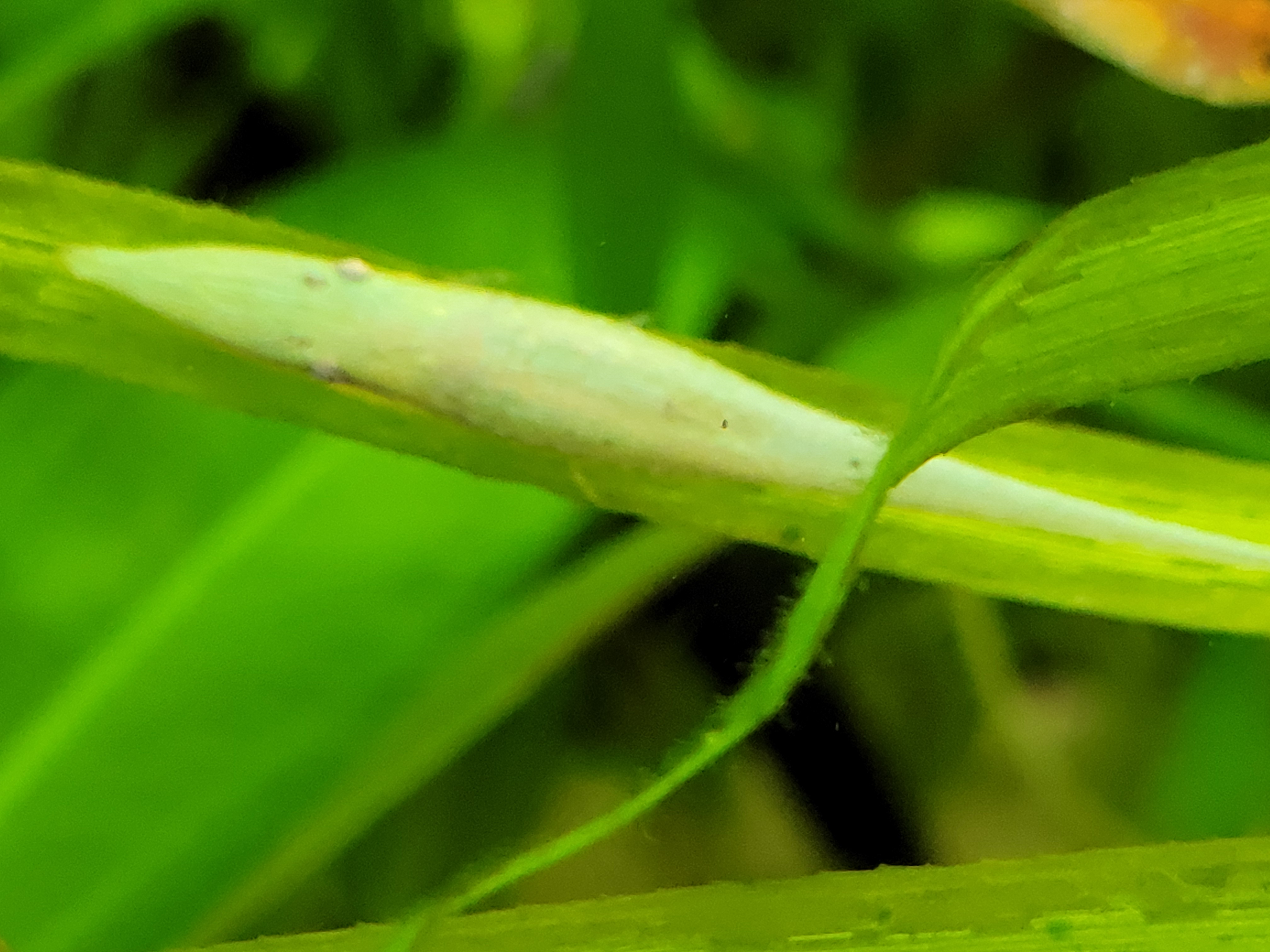
Acestridium dichromum
A graceful armored catfish with a distinctive whiptail and greenish hue. Their specialized mouth structure and body armor showcase remarkable evolutionary adaptations for their ecological niche. Think of it as a really fancy Otocinclus catfish.
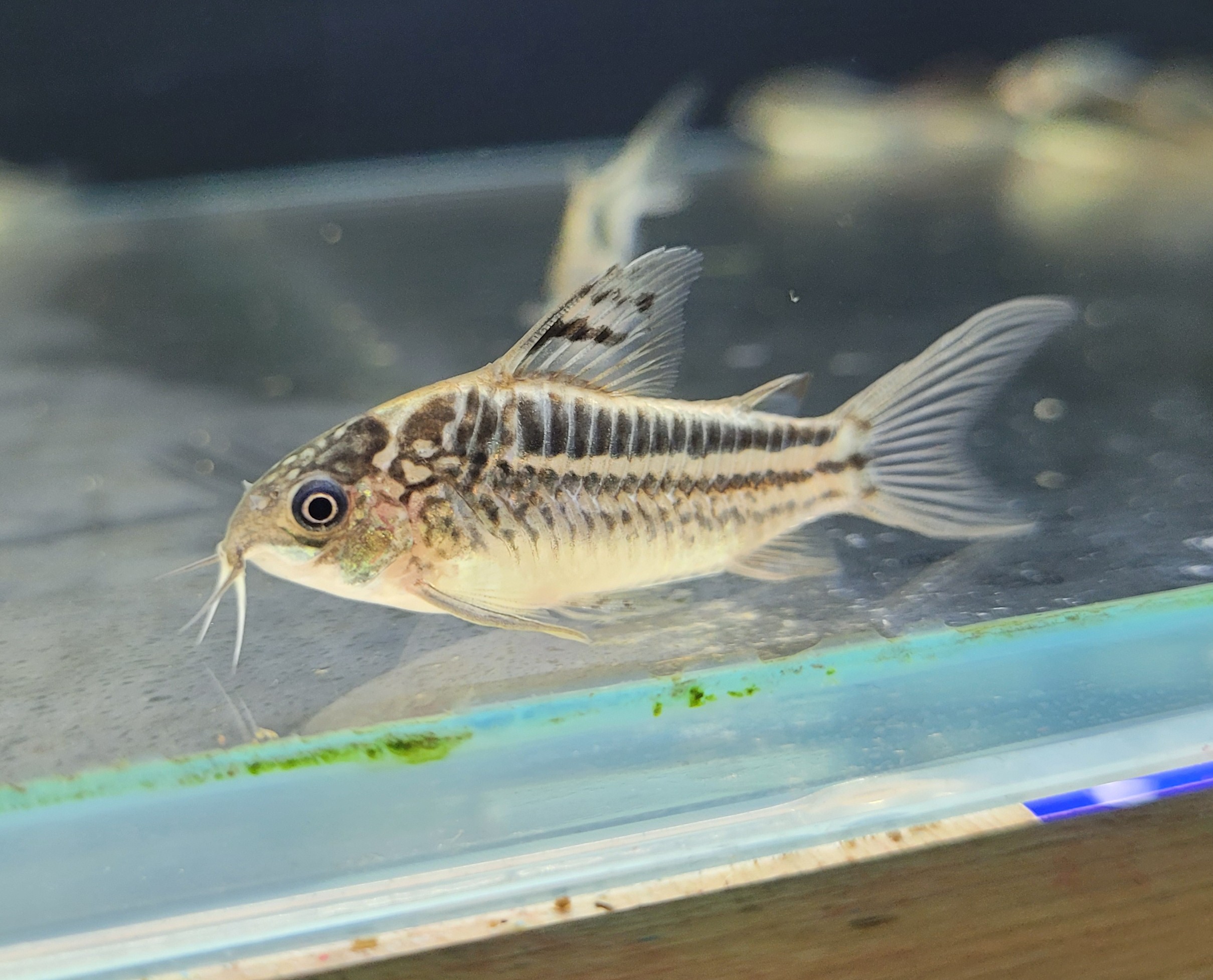
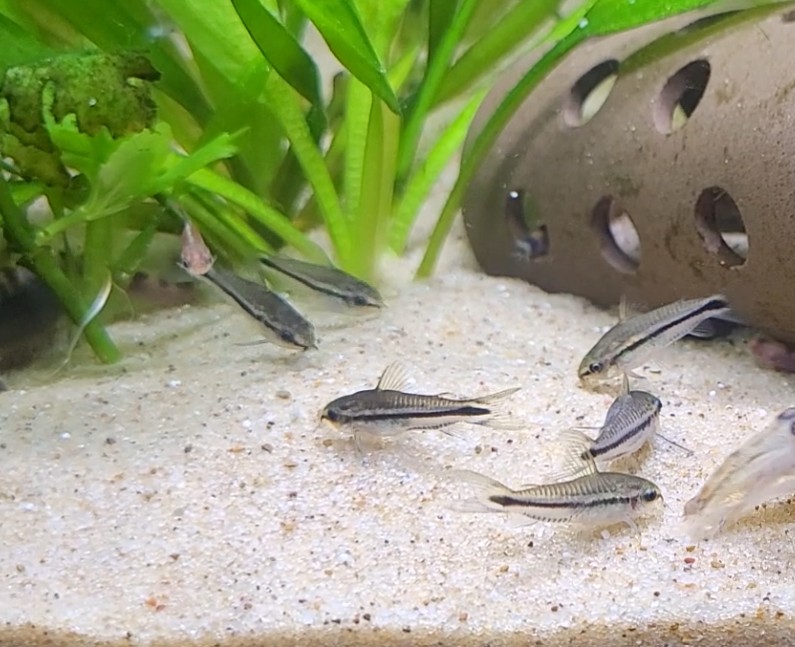
Corydoras pygmaeus
Tiny armored catfish that demonstrate the beauty of miniature scale. Their compact size and schooling behavior showcase how small fish can create big visual impact through coordinated movement and social dynamics in the aquarium environment.
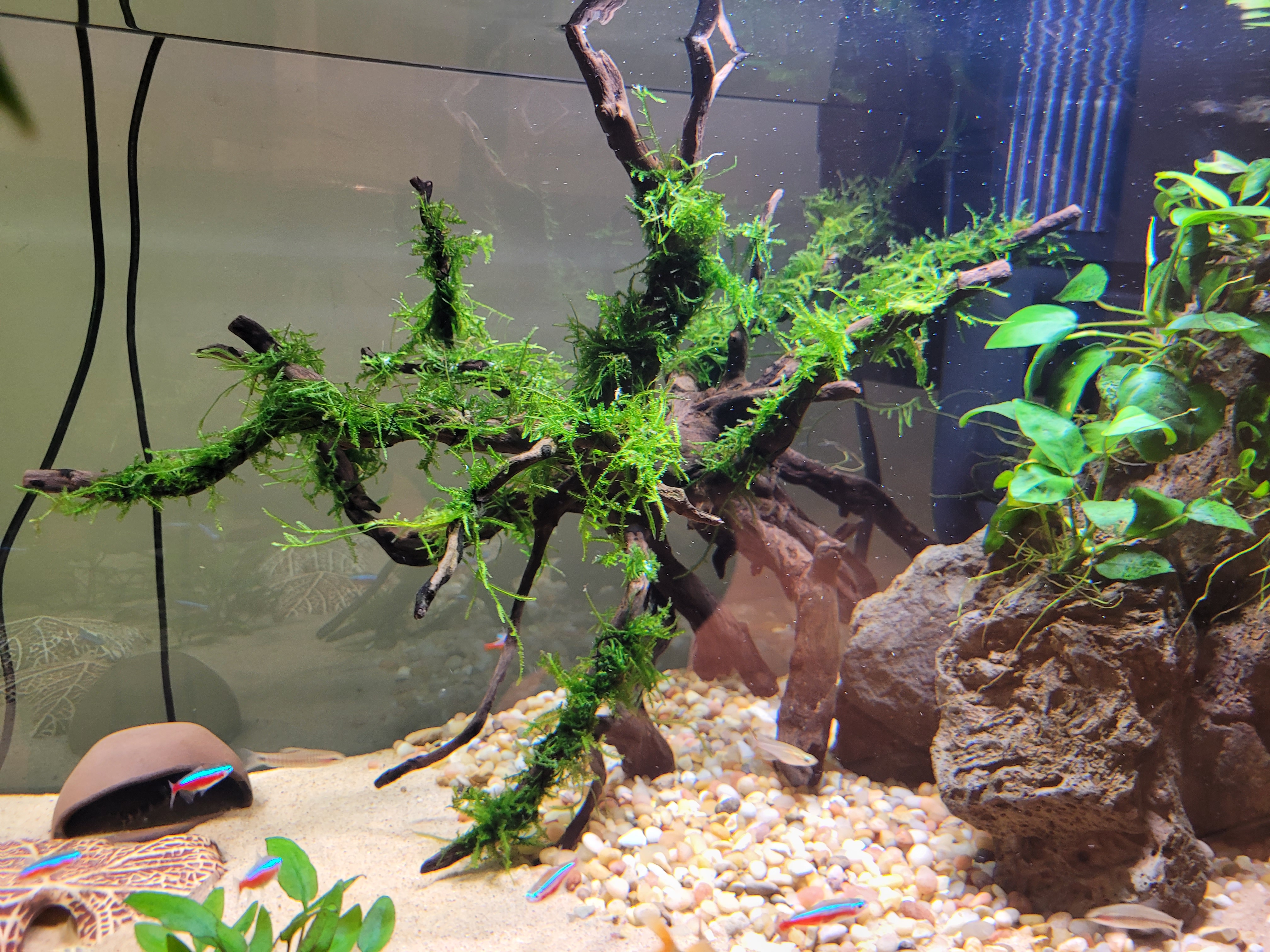
Maintaining optimal water parameters requires not just top-tier filtration, heating, and circulation systems - but also a deep understanding of the natural processes at work.
Regular monitoring of water chemistry and fish health ensures quality of life for my tiny friends.
Creating and maintaining the perfect ecosystem balance demonstrates the same attention to detail required in any technical field.
Take a break and enjoy this Snake-style game featuring your favorite Kuhli Loach! Control your loach to collect food and grow longer. How much can you munch?
I'm always interested in connecting with fellow aquarium enthusiasts and sharing knowledge about fish care, tank maintenance, and the fascinating world of aquatic life. I love Loaches! Whether you have questions about Kuhli Loaches or want to share your own aquarium experiences, I'd love to hear from you!